

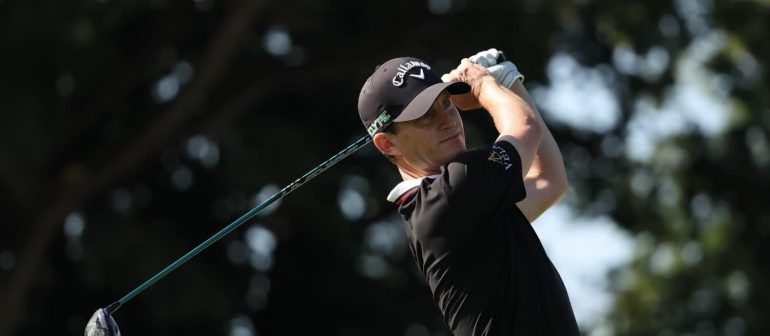
As I continue to develop as a coach, working with lots of different players and learning from other teachers is proving incredibly inspiring, writes Chris Paisley
My coaching journey continues to be really enjoyable, and the momentum has definitely been building over the last few months.
I’ve been fortunate to work with some high-level professionals already and it has been great that players at this level have trusted me to help them with their game, and thankfully the feedback so far has been really positive.
At the same time, word of mouth has been spreading nicely among the club golfers I’ve been coaching, and seeing those players improve and enjoy the game more has been equally satisfying.
One thing that has surprised me is that I’ve found it easier to coach better players. I think that’s simply because I spent so many years immersed in high-level golf, both as a player and as someone being coached by elite coaches. The language, concepts and feels that tour players understand are naturally quite familiar to me. In many ways, it feels like speaking my native tongue.
I’ve been through a huge learning curve as I’ve developed my understanding of how many different ways you need to be able to communicate the same thing based on the learning style of the student in front of you. There have been moments where I thought I was explaining something in the simplest possible way, only to realise the player had absolutely no idea what I meant. That isn’t a criticism of the golfer, it’s simply that most club golfers haven’t spent thousands of hours analysing swings, studying ball flight, or receiving instruction.
I’ve realised that when you dedicate your life to something, you often forget how much knowledge you take for granted.
The best comparison I can make would be a high-level financial expert trying to explain a complex investment strategy to me. Certain concepts would seem completely obvious to them, but I’d probably be lost within 30 seconds because I don’t have the same reference points.
Some golfers are visual learners and need to see their swing on video. Others respond better to data and numbers from TrackMan. Some golfers improve most through feel-based coaching, while others benefit from constraint-based training – creating a task or obstacle that naturally encourages the correct movement without overloading them with technical thoughts.
With elite players, sometimes one sentence or one small demonstration is enough because they already possess a high level of skill and body awareness. Club golfers can require a different approach. If you try to change too many things at once it can quickly become overwhelming.
That element of coaching is fascinating – how you identify which domino to knock over first, and how you find the one change that creates the biggest improvement and builds confidence.
I’ve been very fortunate to have some brilliant people around me as I continue learning this side of the game. My brother [Andy] has become respected internationally in putting coaching and I’ve really enjoyed learning from him and observing the way he communicates with players. I’ve also been supporting him a little bit with one of his players based in Orlando.

I’ve leaned quite heavily on my coach, Andrew Nicholson, too and he has been incredibly supportive throughout this transition. I’ll often send him swings or ask for his opinion on certain players, and it’s amazing how quickly he can identify the important pieces. There’s an instinctiveness to the way he sees cause and effect within the golf swing, and he seems to immediately know where to start and which areas will have the biggest impact.
Just like playing, coaching is a craft and experience matters enormously. There are definitely things that I still miss – that’s all part of the learning curve – and having different coaches around me with different strengths and areas of expertise has been a huge help.
At the same time, I feel like I’m beginning to forge my own identity as a coach – built from my experiences as a player, the lessons I’ve received over the years, and the experiences I’m gaining from working with players of all different levels.
I think my years as a player have helped me a lot in this transition as I know how frustrating and overwhelming golf can feel when information doesn’t make sense. I also know how powerful it is when a player finally understands what a good movement should feel like.
I’m still very much learning as a coach, but I’m really enjoying the process of adapting, communicating and finding better ways to help people improve.

