


The south of Yorkshire and the surrounding areas are blessed with great ground for golf, and in this Special Focus we shine the spotlight on three courses you must visit
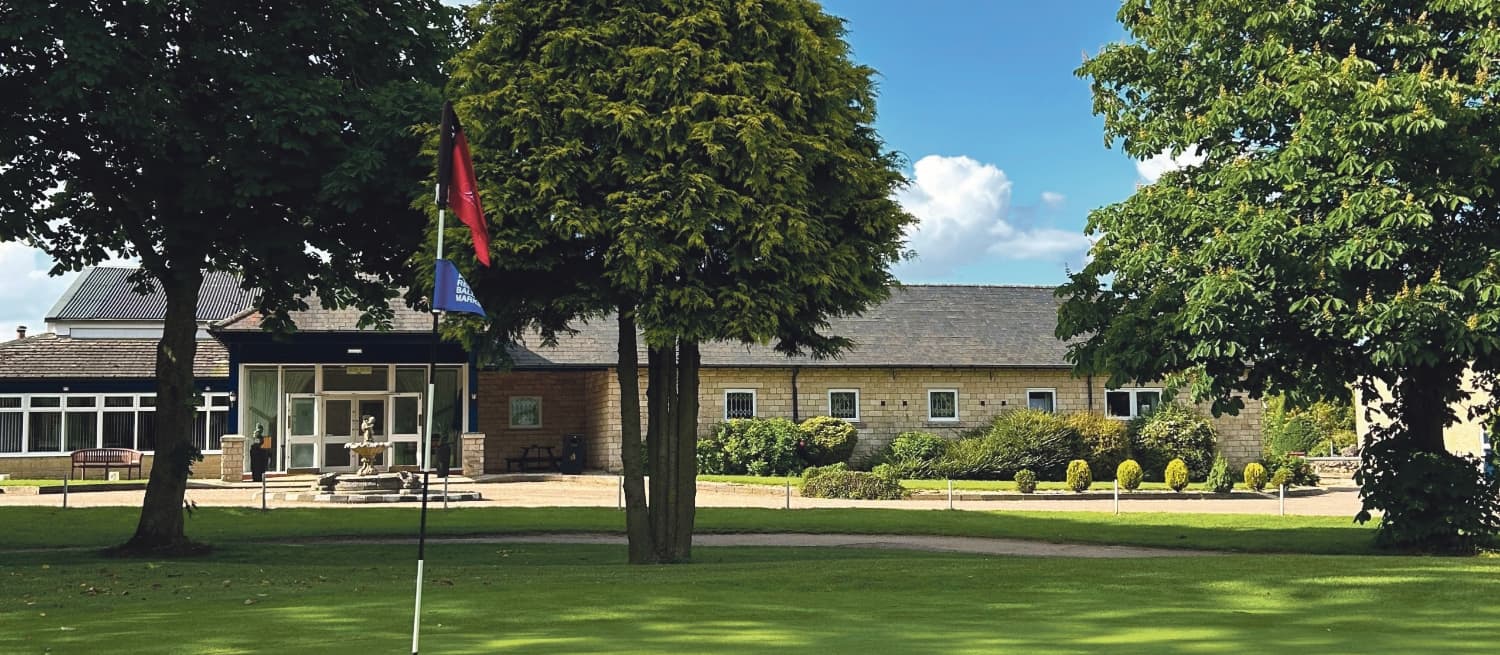
Bondhay Golf Club
Set at the meeting point of Nottinghamshire, Derbyshire and South Yorkshire, Bondhay Golf Club offers a modern golf experience in a stunning parkland setting.
The club is home to the 18-hole Devonshire Course – designed by world renowned architect Donald Steel – as well as a nine-hole par three Academy Course, a floodlight driving range with TrackMan technology, and a welcoming clubhouse.
The par 72 Devonshire Course brings together mature trees, undulating fairways, expertly placed bunkers and a small amount of water to ensure golfers of all abilities are tested throughout the round – with tee sets ranging from 5,663 yards up to 6,755 yards.
The layout includes plenty of tough shots as well as chances to score, while the par fives each offer risk and reward, and the finish – with two 400-yard-plus par fours and a demanding par five – is a real test of accuracy and skill.
Meanwhile, the fun Academy Course is the perfect place for families to relax while offering the chance for experienced players to sharpen up their iron play and short game – with holes ranging from 66 yards up to 168 yards.
The TrackMan Range also offers a chance to play some of the world’s best courses and work on your game with industry-leading technology.
The modern clubhouse is welcoming with the friendly team serving food throughout the day, and the space provides the perfect place to prepare for a round or share stories from your day out on the golf course.
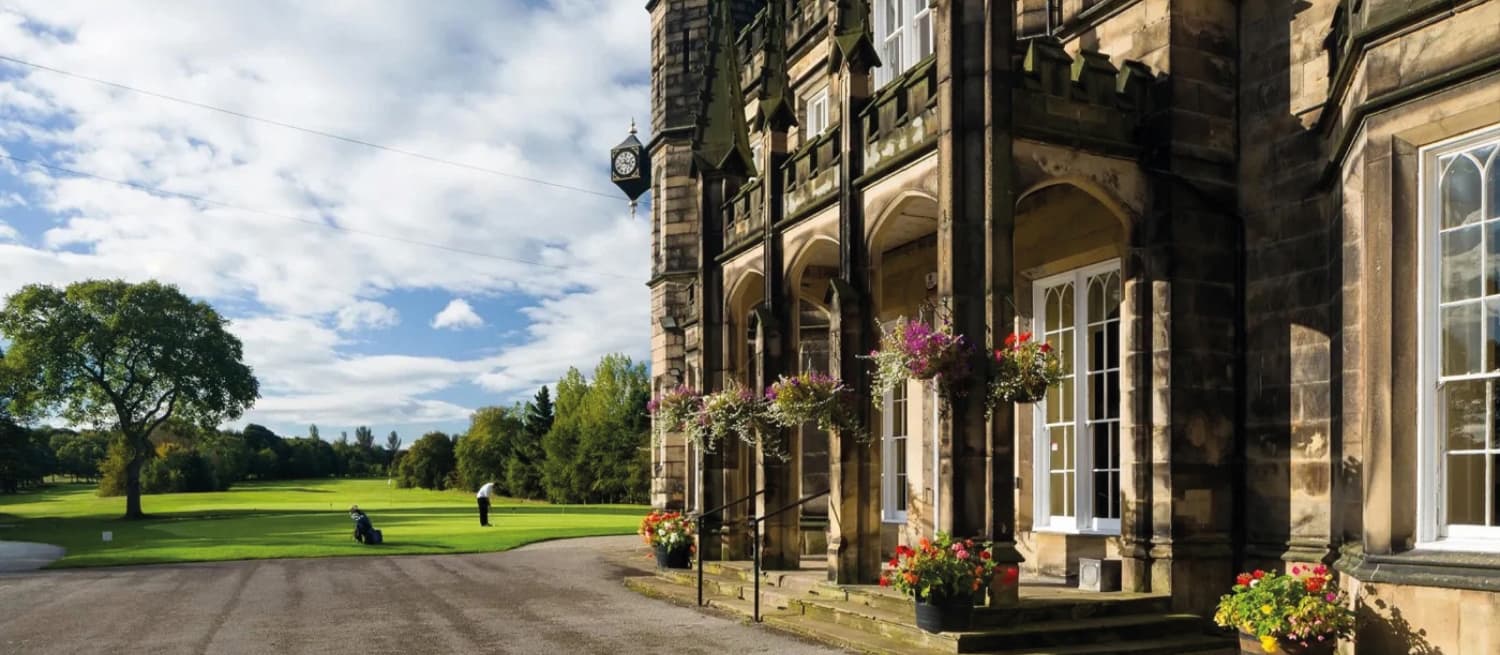
Rotherham Golf Club
Located in one of Yorkshire’s finest historic parklands, Rotherham Golf Club has provided a superb test of golf for more than a century.
Set in Thrybergh Park, the golf club was formed in 1903 with a nine-hole course designed by Open champion Sandy Herd. The layout was extended to 18 holes in 1906, and later modified by Scottish champion golfer James Braid.
Today it measures up to 6,394 yards from the back (blue) tees with a par of 70 – with the rolling, tree-lined fairways and slick greens ensuring it remains an exacting test and fantastic place for some of Yorkshire’s best players to hone their skills.
A recent programme of significant investment in course improvements – led by renowned golf course architect Jonathan Gaunt – has elevated the playing experience to new heights. Work has included the refurbishment of existing bunkers along with the creation of new ones as well as various run-off areas. The modern bunkering, featuring state-of-the-art liner technology as well as China Clay sand, now presents a stern but fair test to the modern golfer.
The club is also home to a driving range with nine outdoor bays, plus several short game and putting practice areas located around the clubhouse.
An incredibly friendly club, Rotherham is welcoming to members and visitors alike, with the Neo-Gothic clubhouse offering a grand setting for pre- and post-round food and drinks.
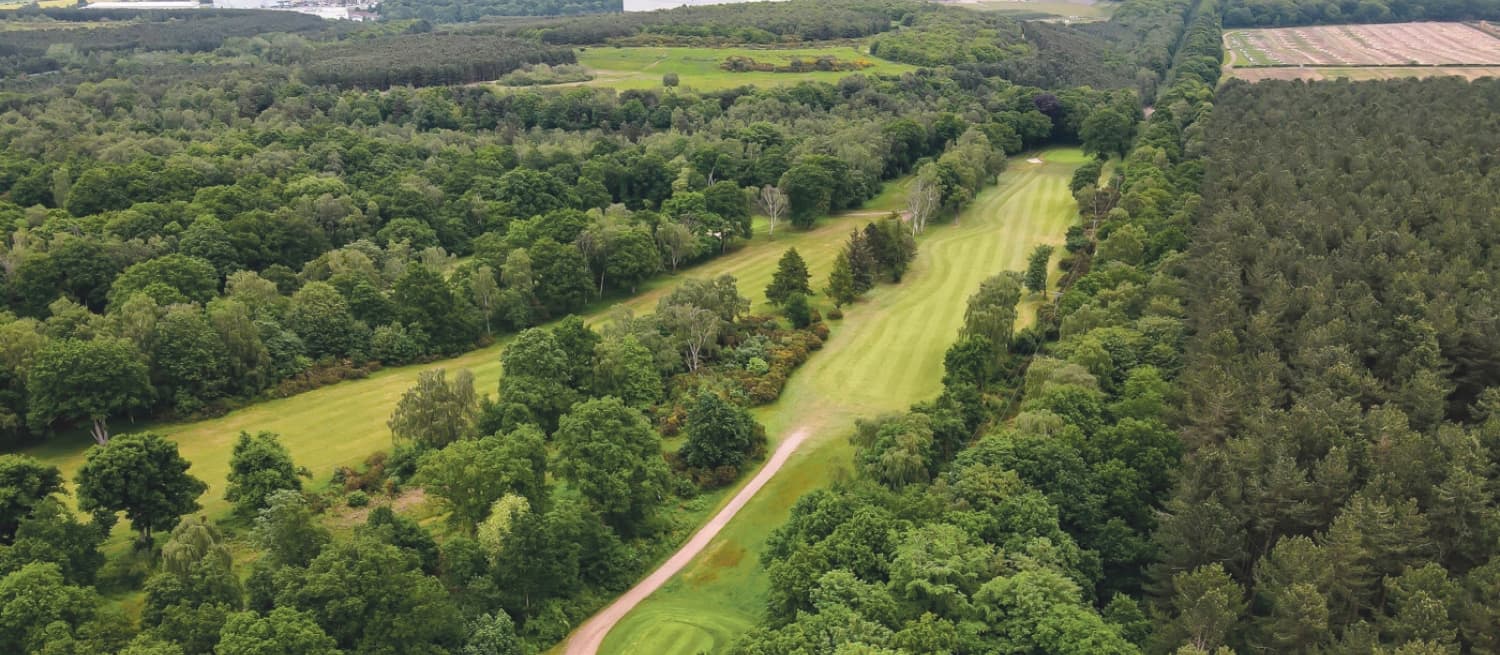
Worksop Golf Club
Set on the outskirts of Worksop, within the boundary of the National Trust’s Clumber Park and Sherwood Forest in north Nottinghamshire, Worksop Golf Club offers a fine example of traditional English golf.
Formed in 1911, the club has a long and storied history with many championships hosted here – including the English Amateur in 2022 – while several notable players have walked its fairways, including former world number one Lee Westwood.
The club has occupied its current location since 1914, when Tom Williamson – the professional at Notts Golf Club (Hollinwell) – was engaged to design a 2,850-yard nine-hole course. A further nine holes were added in 1924. The following 100-plus years saw the golf course develop a great deal, including the construction of the picturesque ninth, 10th, 12th and 13th holes in 1970 as the layout was extended to 6,651 yards and the par increased from 70 to 72. The fifth and sixth holes you’ll play today were created in 1983, with the fifth green remodelled in 1995.
More than 100 years after it was first laid out, and with some significant investments in its long history, the course remains an exacting test of accuracy with its mature trees and gorse framing a fascinating set of green complexes.
While it can be stretched to 6,721 yards from the back (blue) tees with a par of 72, a range of tee options for men and women ensure the course presents a fair test to all.
The rock underlying the course – the Bunter Pebble Beds – dates back to the deserts of the Triassic Period some 180 million years ago and this soft, red, porous sandstone gives the course its free-draining properties and ensures it is playable year-round.
Off the course, you’ll find excellent practice facilities while the friendly team in the clubhouse and pro shop offer a warm welcome on every visit.

