



Join us for a round at George Washington
Golf courses are living things – they grow, mature and develop over time. The passage of time has improved the golf course at George Washington enormously and today the tree-lined parkland layout is a showcase of risk and reward golf with numerous strategic tests and birdie opportunities.
Before heading to the first tee, visit the welcoming clubhouse with its well-stocked pro shop, and the driving range – which is home to Toptracer technology. After your round, there’s the New York-inspired Carter and Fitch restaurant, while the 125-bedroom hotel offers stay and play packages plus a spa, gym and pool.
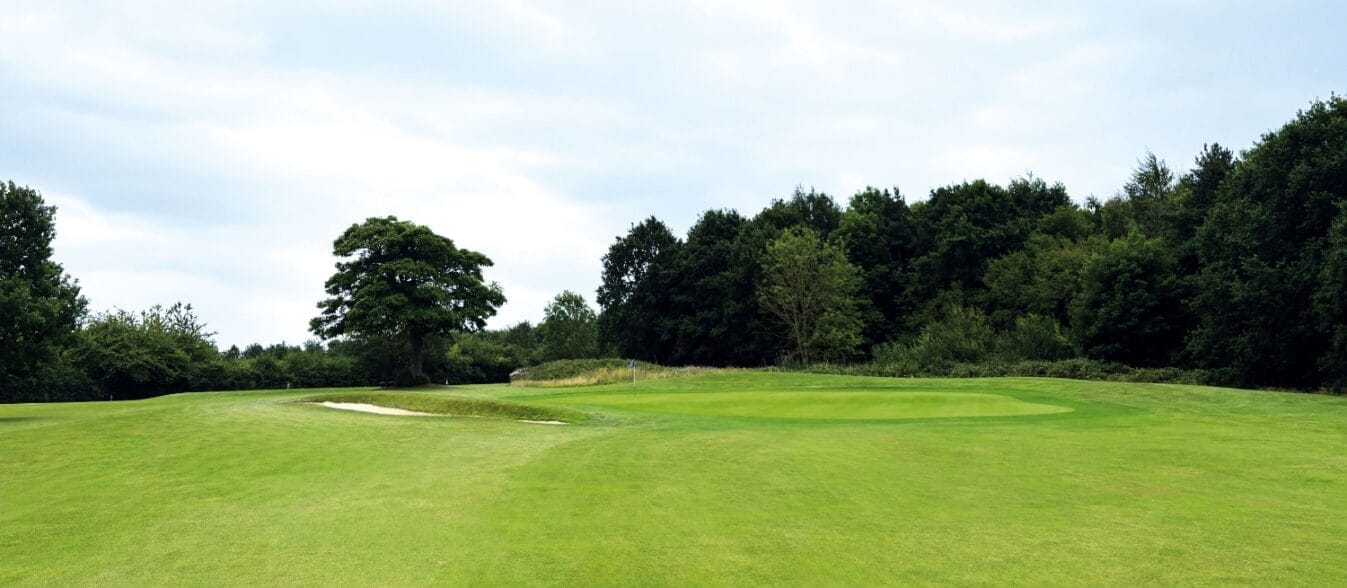
The playing corridors of the 6,676-yard par 73 golf course, which opened in 1979, are now very well defined with trees bordering most fairways on both sides. Navigating your way around the dogleg right at the opening 488-yard par five can setup a good birdie chance. Those who find the left side of the generous fairway get a great look at a large green, which is guarded by a small left bunker and a far more formidable trap on the right side.
A birdie at the first can come in handy as the par three second measures over 220 yards from the back tee. The two-tiered green is very generous, but beware the long, narrow bunker which hugs its left side.
The downhill par five third offers another good birdie chance if you can take aim at the green – which tips from back left to front right and is flanked by a pair of bunkers – in two.
Just under 400 yards, the straightaway par four fourth demands accuracy from the tee and when playing into the green – which is wrapped around a thin bunker on its right side and framed by mounding.
The third par five in the opening five holes, the fifth is the trickiest of the trio. It features a pond on the right some 75 yards from the putting surface and more water down its entire left side. The long green climbs the hill as it moves away from you to the right, and the pot bunker on the right side must be avoided.
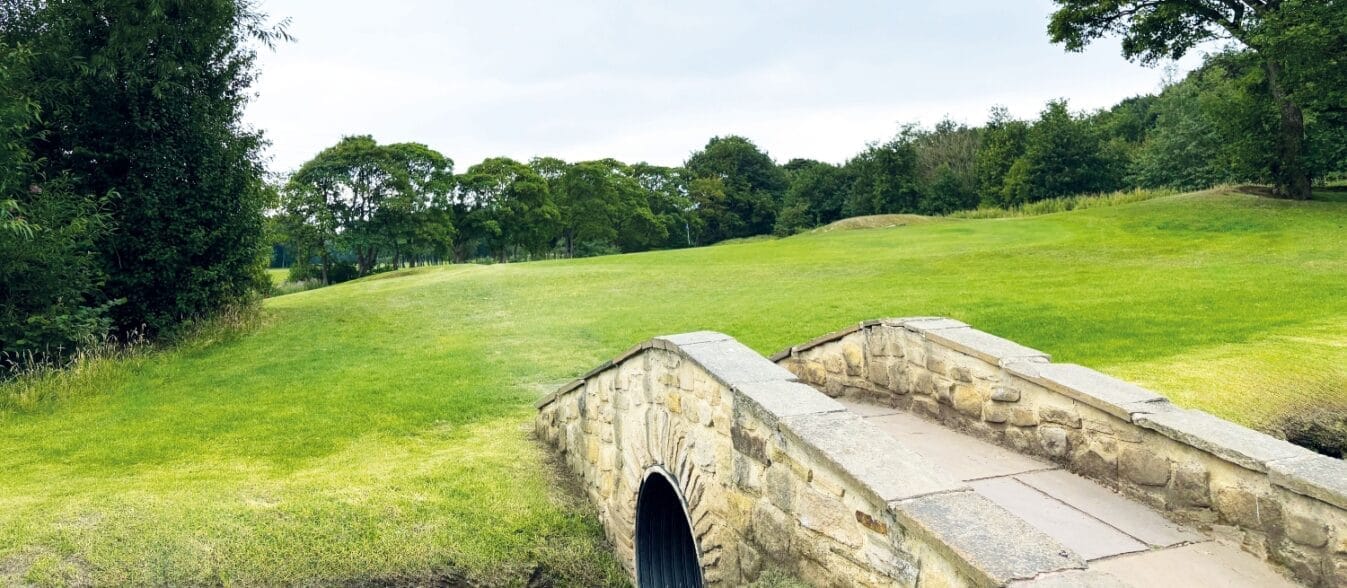
The first big test of strategy, the 352-yard sixth hole requires an accurate tee shot out to the right side of the fairway, which slopes left towards water and ends with a ditch and bridge some 75 yards short of the green. The green is long and pinched in its centre with a steep ridge dividing its lower and upper sections. Two front bunkers, including a high right one, make front flags the most difficult to attack.
Players face one of the trickiest tee shots of the round at the 385-yard seventh hole. Playing uphill and slightly right to left, you must favour the right side to leave the best angle for your approach to a large green with a thin bunker on its front left corner.
The 369-yard eighth also demands a precise tee shot – this time favouring the left side to leave an unobstructed view of the small plateau green set beyond a bunker on the front left corner. Another big trap lurks above the putting surface on the right side.
Played from an elevated tee, the 174-yard par three ninth features a vast P-shaped green wrapped around a bunker on the right side with another long strip of sand protecting its left edge.
Played in the shadow of the hotel and driving range, the steeply downhill par four 10th is great fun. An iron down the hill into the fairway, which is flanked by out of bounds, leaves a short shot into a small green which is angled away to the left.
A short par five, the 11th demands the most accurate tee shot so far. Play into the heart of the landing area in front of the marker post before turning sharply right and playing slightly downhill to a green framed by trees. Sand can cause havoc for those going for the green in two with a trap well short on the left and another bunker on the right blocking sight of half of the putting surface.
The 376-yard 12th begins to narrow from around 150 yards out, and those who hit driver must be accurate with trees and bushes left and out of bounds right. A confident drive leaves a short shot to a large green with a bunker short right and another closer to the putting surface on the left.
An elevated tee set in the trees offers a great look at the green on the 194-yard par three 13th. Set beyond a thin moat of sand, the green is designed to hold well-struck shots while a bunker on the front right corner will catch out those who come up short right.
The tough, 405-yard par four 14th will test your skills from tee to green. Out of bounds lurks right and the fairway narrows some 100 yards out from the green. From here the hole turns slightly left and rises to a wide, shallow green set on top of a hill with a bunker and steep fall on its left side.
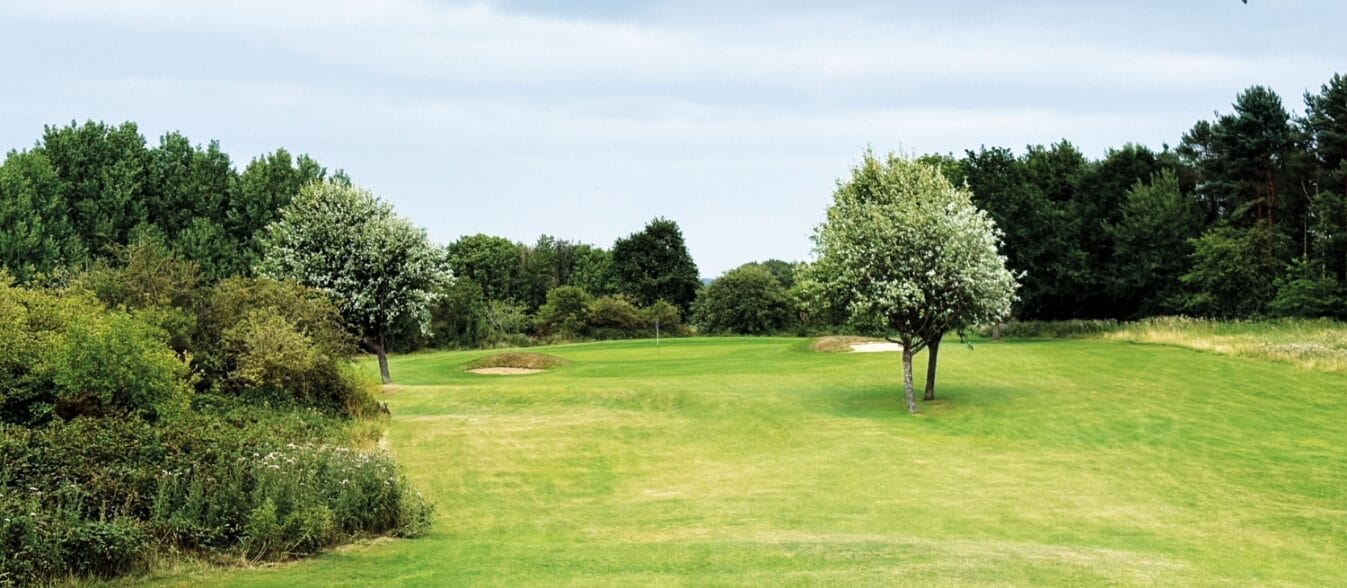
The pretty par three 15th follows. Set in the trees with a ditch and several trees short, make sure you make the carry to this back to front sloping green – particularly when the flag is in the back section and close to the left bunker.
The 373-yard par four 16th narrows considerably as you head towards the green – with trees jutting out into the landing area and making angled approaches tricky. A single left bunker guards a very wide green.
Position your tee shot wisely at the par five 17th, which narrows considerably between trees and bushes as the first section of the fairway ends. A very generous landing area lies beyond this point, while a trio of bunkers come into play from around 30 yards out. A long green can offer birdie chances to those who pitch in confidently from the right angle.
The uphill, 362-yard 18th is a final driving test with trees on both sides. From the fairway, a confident strike up the hill to the long, narrow green – which is set beyond two bunkers – is required to hold the putting surface.
OUR VERDICT
A golf course which continues to improve with age and investment, if you haven’t played George Washington in a while we highly recommend a visit.

