

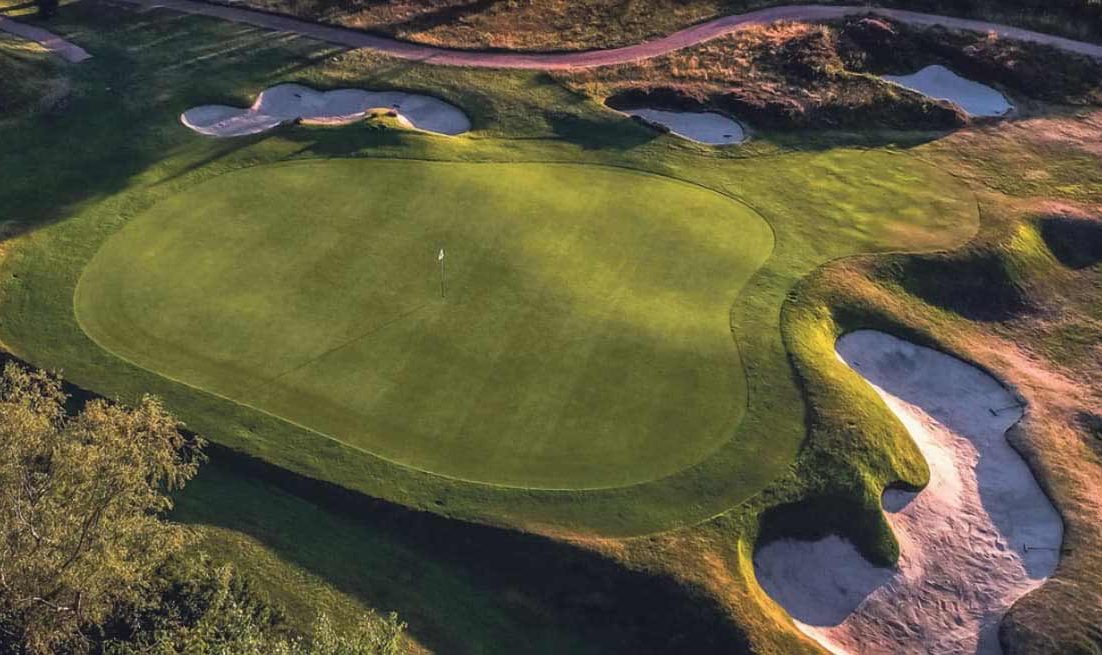
We explore some of Dr Alister MacKenzie’s work in Yorkshire and beyond
Golf courses designed, renovated, remodelled and enhanced by Dr Alister MacKenzie are renowned and respected around the world. His work in Yorkshire, where he was born and lived much of his early life before travelling the world and living in the US, is particularly highly regarded.
Born in Normanton on August 30, 1870, MacKenzie studied and trained as a surgeon at Cambridge University, and served in the British Army in South Africa during the Second Boer War in 1900 and 1901. A member at Ilkley in the 1890s, he joined Leeds Golf Club on his return at the turn of the century. He then became involved in golf course design as one of 14 founding members, and the first secretary, at Alwoodley from 1907. A commission for neighbouring Moortown soon followed.
Working in golf course design until his death in January 1934, his original layouts and alterations are recognised as some of the world’s finest examples of golf course architecture. The MacKenzie and Bobby Jones-designed Augusta National; MacKenzie and Robert Hunter-designed Cypress Point; MacKenzie and Perry Maxwell-designed Crystal Downs; MacKenzie and Hunter-designed Valley Club of Montecito; and MacKenzie-designed Pasatiempo appear in multiple lists of America’s best courses.
Meanwhile, MacKenzie-designed Royal Melbourne West and New South Wales feature in world lists regularly – alongside Lahinch, Victoria, Metropolitan and Royal Adelaide. MacKenzie also drew plans for bunkering at Kingston Heath, though Des Soutar and Mick Morcom are credited as architects.
In England, MacKenzie’s first course architecture work at Alwoodley remains a fine example of his design philosophy. In his 1920 book, Golf Architecture, he discusses using the natural beauty of the terrain rather than artificial features. He writes: “…the chief object of every golf course architect worth his salt is to imitate the beauties of nature so closely as to make his work indistinguishable from nature itself.” He also set out his 13 principles for course design in the book, including – to offer an infinite variety in the strokes required to play the various holes; creating a minimum of four one-shot holes; minimal walking between holes; and a desire, where possible, to arrange holes in two loops of nine.
Meanwhile, his green complexes feature natural shapes – large putting surfaces blending seamlessly into the immediate surroundings, reflecting his highly praised studies of The Old Course at St Andrews as a member of The R&A.
From 1910-1914, MacKenzie drew plans for, advised on changes to or worked on a number of courses including Doncaster, Garforth, Harrogate, Headingley, Ilkley, Oakdale, Pannal and Scarborough South Cliff.
Respected golf course architect Harry Colt had advised on MacKenzie’s original plans at Alwoodley and following MacKenzie’s service in the First World War as an expert in military camouflage, the pair launched the London-based firm Colt, MacKenzie & Alison with Charles Hugh Alison in 1919. MacKenzie went his own way in 1923.
Following the First World War, MacKenzie worked at courses including Ganton and Moor Allerton. He also travelled extensively, advising on courses including Douglas (Isle of Man), Lahinch (Ireland), Royal Adelaide (Australia), Titirangi (New Zealand), The Jockey Club Buenos Aires (Argentina) and Club de Golf del Uruguay.
In 1926 he travelled to California and worked alongside Robert Hunter to create Cypress Point, which opened in 1928. His other works in the US – notably the eighth and 13th holes at Pebble Beach, Pasatiempo, Crystal Downs, and Valley Club of Montecito – remain iconic.
The crowning work of his career, Augusta National Golf Club, opened for play in 1933 – two years after MacKenzie met with Augusta founder Bobby Jones to discuss the project. The first tournament at the club, which would go on to be known as The Masters, was played in 1934 – two months after MacKenzie’s death.
Let’s take a closer look at some of the courses designed and influenced by the good doctor in his home county and beyond…
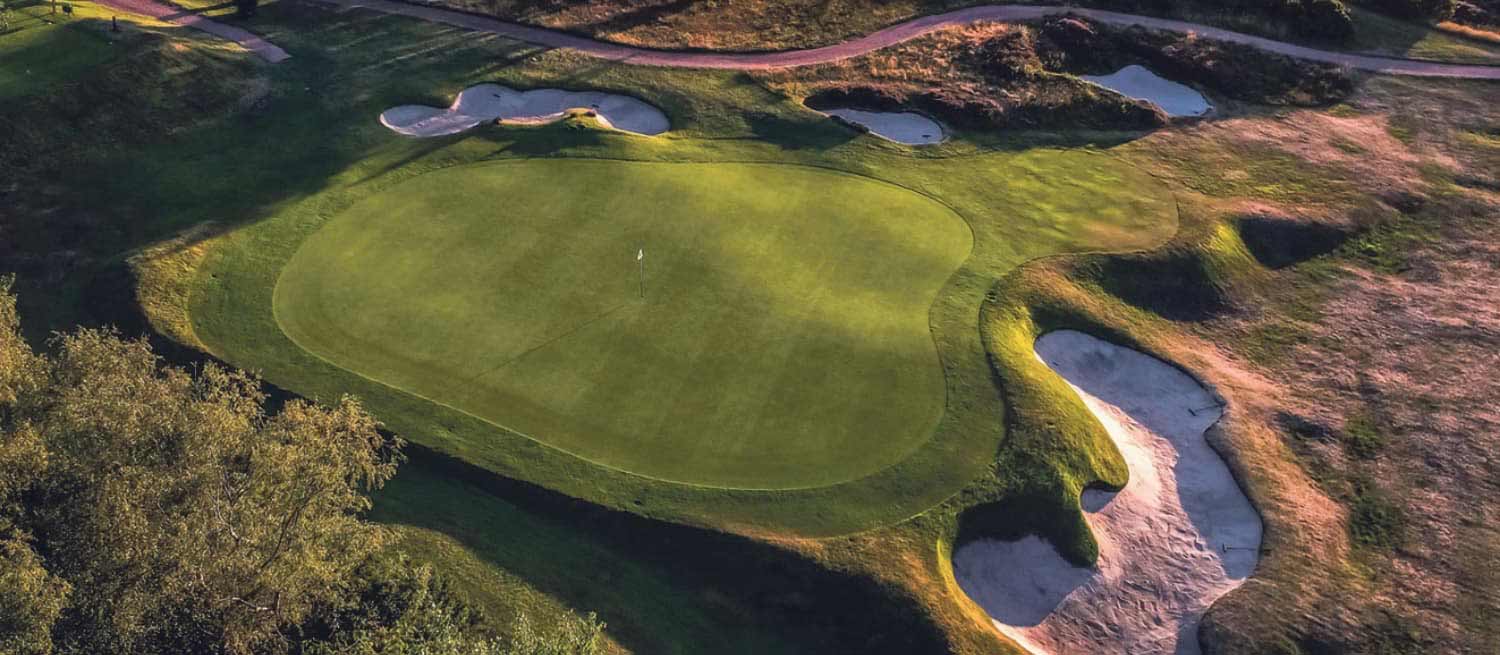
Moortown Golf Club
One of Yorkshire’s, and England’s, most important golf clubs, Moortown is an early example of MacKenzie’s work and remains a celebration of traditional English golf – with his fascinating green shapes and philosophies on routing and bunker design on full show.
The home of the first Ryder Cup on British soil in 1929 – won 7-5 by the British team – the opening match on the Black Moor course in 1910 was played between the legendary James Braid and Harry Vardon.
While MacKenzie’s original work is celebrated and cherished, the club continues to develop and enhance its foundations – with recent work recreating vast heather-strewn bunkering which closely matches features envisioned by MacKenzie more than a century ago.
Measuring almost 6,500 yards from the yellow tees, and 7,001 yards from the blue tees, accuracy remains key to success with heather, gorse, rough and sand awaiting errant tee shots. Approaching the devilish greens from the fairways is the only way to have control over the ball, and those who follow this rule will be rewarded.
Meanwhile, the world-famous par three 10th – Gibraltar – features a sloping plateau green which is as beautiful as it is challenging.
Howley Hall Golf Club
Founded in 1900, with MacKenzie advising on upgrades to the course in 1913, Howley Hall Golf Club is steeped in history and remains a fine example of the good doctor’s work in Yorkshire – while the course benefits from continued enhancements and refinement.
The first nine-hole layout opened in 1900, and this was extended to 18 holes in 1908. Five years later, following his success locally, MacKenzie was commissioned to redesign the course. Numerous holes were constructed in MacKenzie’s tiered style and 12 of these are evident today.
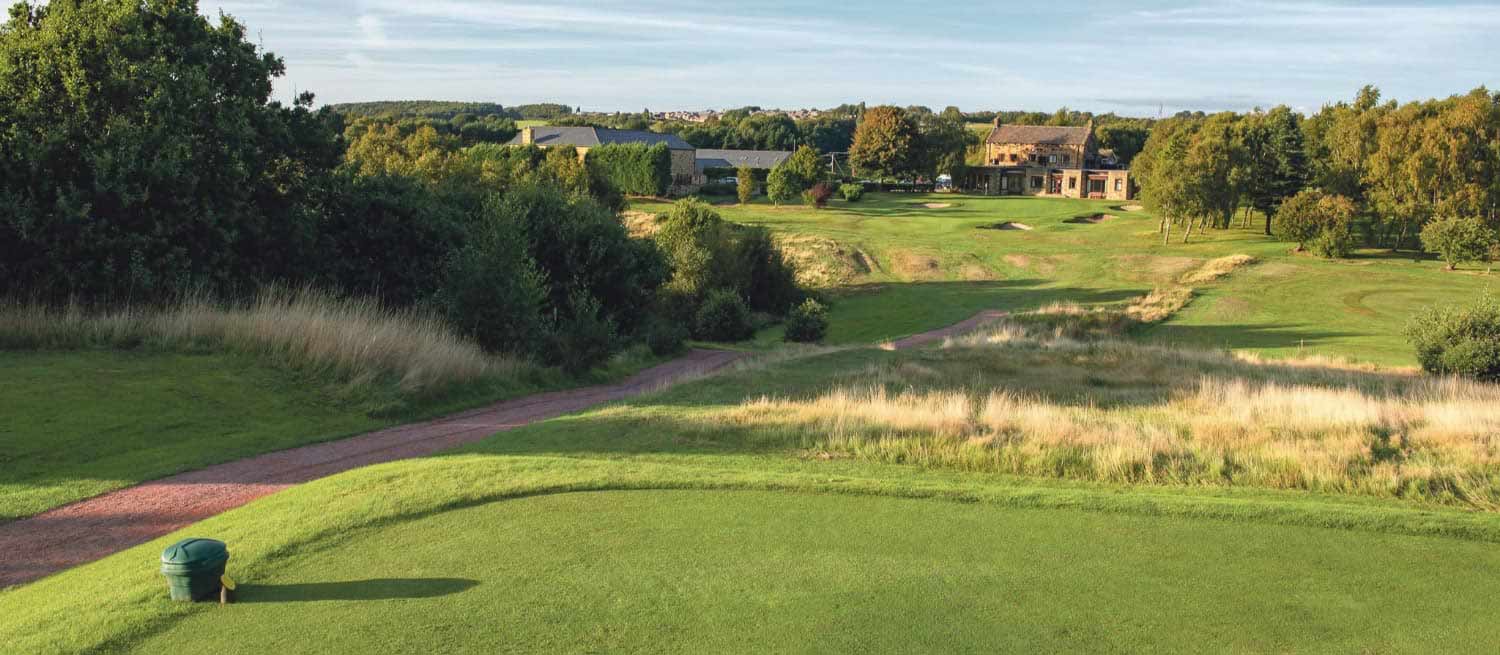
With a number of changes in elevation carefully routed by MacKenzie, the course has many challenging tee shots and approaches – particularly over the closing stretch and at the par three 18th, which is played from an elevated tee to a green set in front of the clubhouse.
Work since the turn of the century led by architect Jonathan Gaunt has further enhanced the course, notably the bunkering, while maintaining the MacKenzie hallmarks.
Low Laithes Golf Club
The golf course at Low Laithes – set in picturesque countryside and offering a captivating blend of tradition and modernity – celebrated 100 years since its creation in 2025.
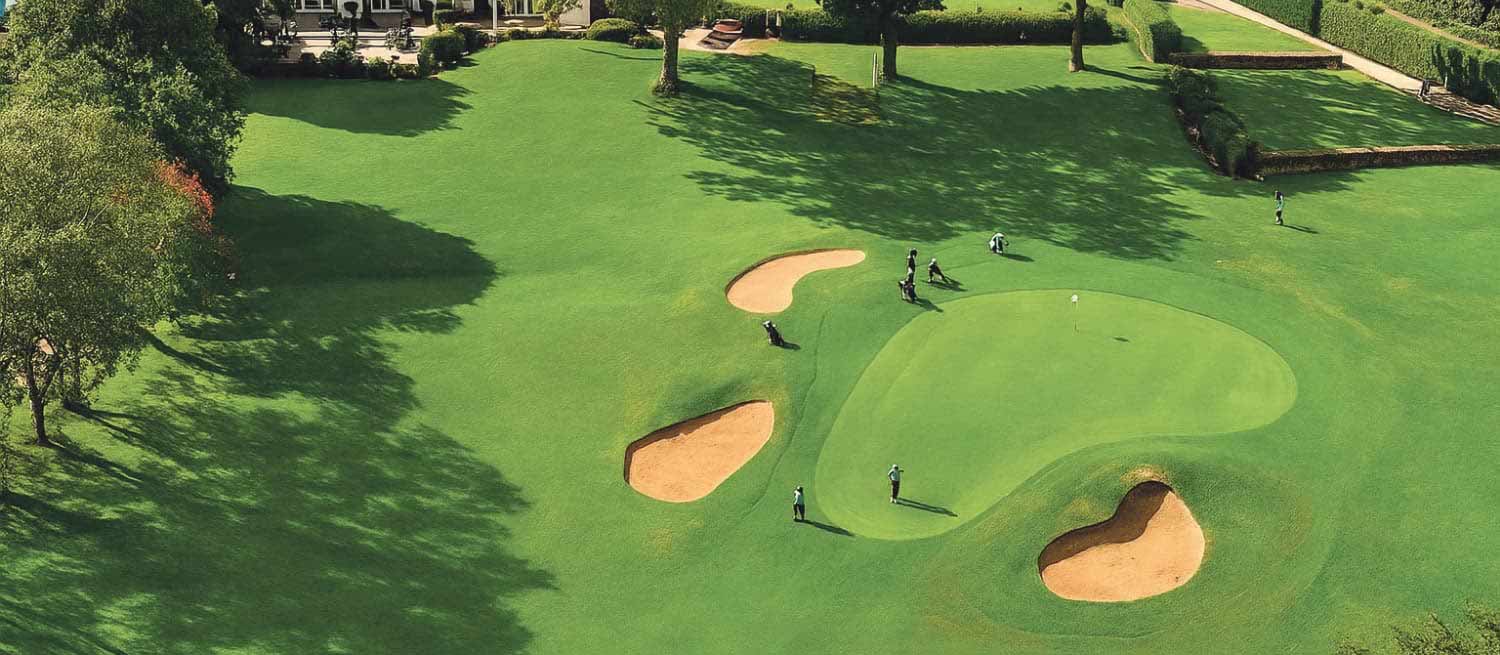
The layout was designed by MacKenzie and it is home to the challenging green complexes – many of them angled against the fairways – which have come to define his architectural style. Meanwhile, the rolling fairways, strategic bunkering, Alverthorpe Beck and mature trees make for a scenic walk and demanding test for all golfers.
Although the spires of Wakefield city centre can be seen from the fairways, and the M1 is just yards from the top of the course, this is a haven for golfers.
The 18-hole parkland course may not occupy the biggest footprint, but MacKenzie’s eye for creative use of topography was put to good use here. The land slopes distinctly and the good doctor worked to its strengths while laying out the holes – creating nine holes with a par of 34 going out as the course weaves down its left side to the fourth green. It then rises at the fifth and stretches out again on the course boundary to the eighth green and elevated ninth tee. By the time you have finished the 11th, the layout has been circumnavigated. The course then winds in on itself with an inward nine with a par of 38 and three par fives in the last six holes, including the excellent 18th.
Scarborough South Cliff Golf Club
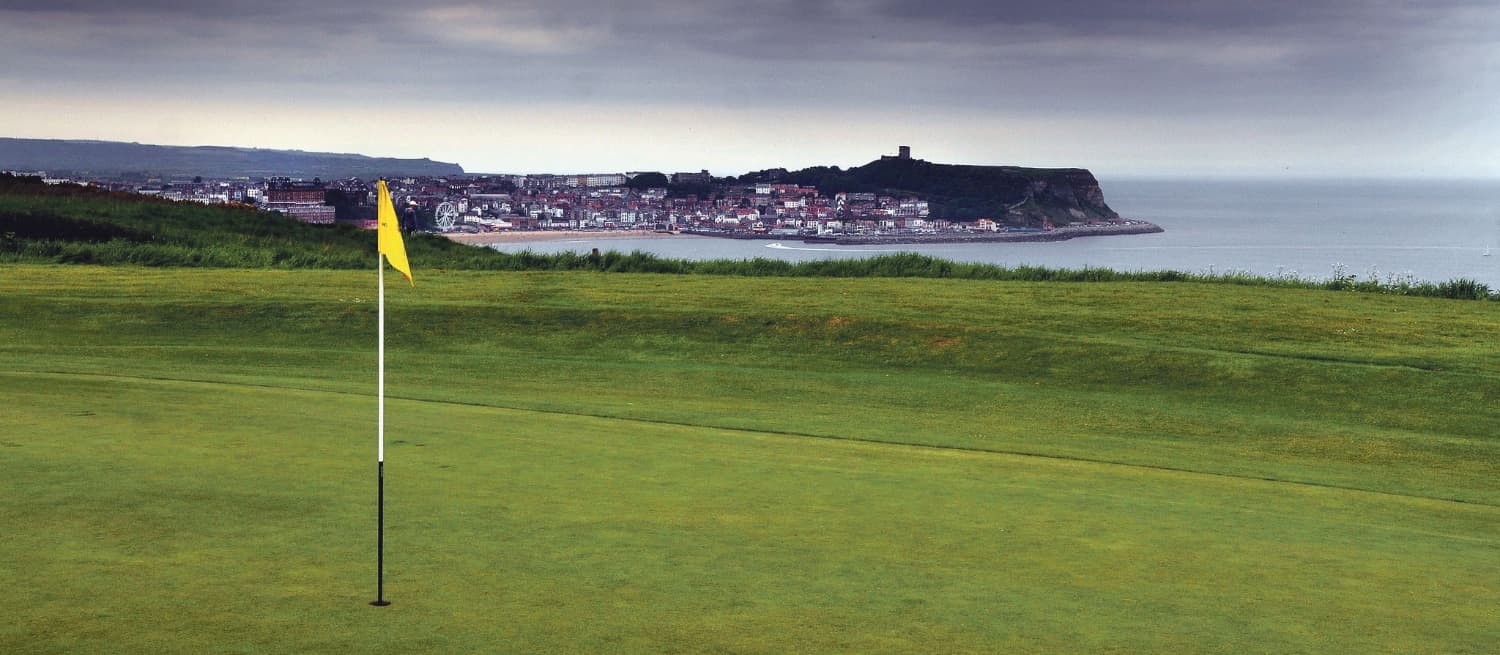
A course with championship pedigree – including as co-host of the English Amateur championship in 2016 – South Cliff has a fascinating history, with golf played here since 1902. Following the First World War, MacKenzie was commissioned to oversee the construction of a new layout which, with some necessary alterations over the following century, is largely intact today. Laid out in two parts – divided by the Filey to Scarborough road – holes 4-10 have spectacular views of the town and its south bay as well as the rugged coastline. The first three and closing eight holes provide a distinct contrast as they are set along a rolling valley heading into the inland hills and surrounding ridge.
MacKenzie’s work on the green complexes here is of particular note. He replaced a set of uninspiring rectangular shapes with greensites more in keeping with his design philosophy that continue to challenge and delight.
Following completion of MacKenzie’s work, the Scarborough Mercury reported on the course, writing: “Dr MacKenzie predicted that the course would be a great success. Some of the views of the course, he said, were the most beautiful of any course in the kingdom. He knew of no club in the kingdom more likely to be a success.”
Coastal erosion and the construction of the new road led to some changes in the 1980s and early 2000s – though many MacKenzie features and routing choices remain – as do the views he wanted to make the most of.
Seaton Carew Golf Club
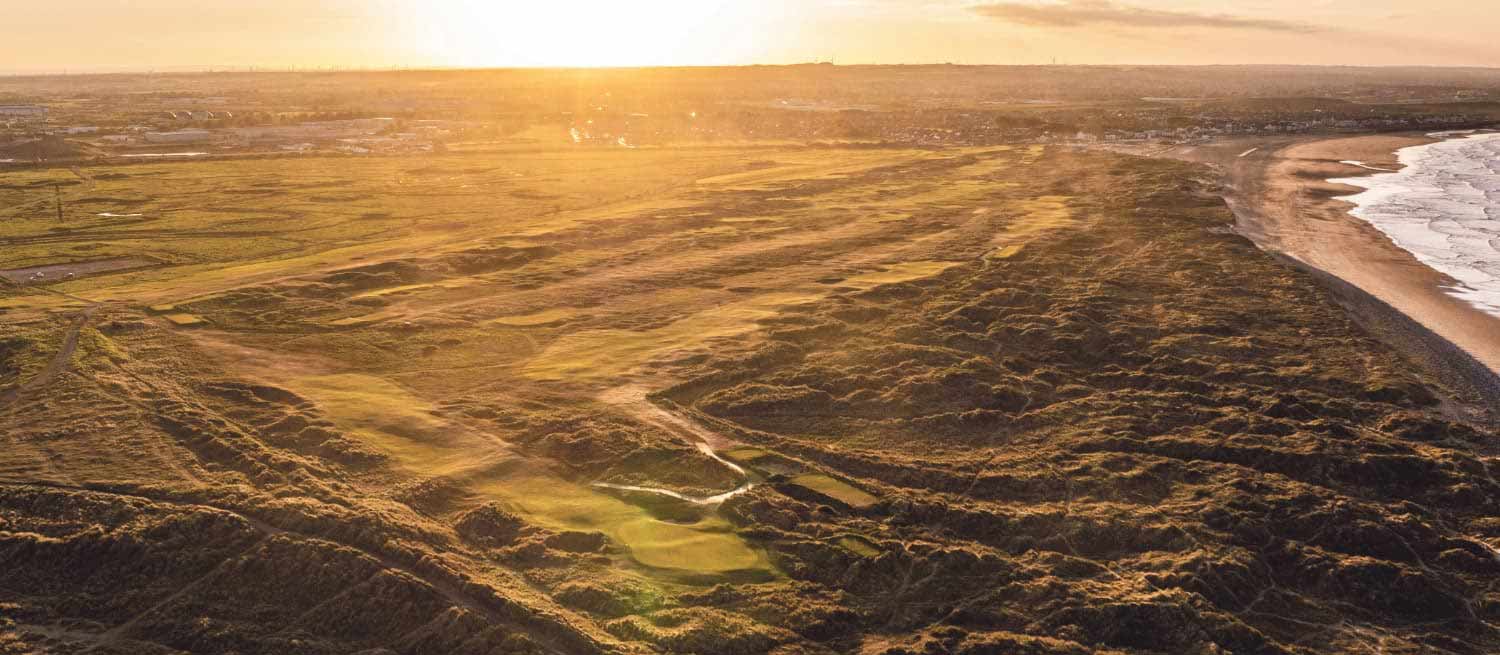
At Seaton Carew – England’s 10th oldest course and part of the GB&I Top 100 list – MacKenzie was engaged in 1925 to make use of new land and enhance a course he had earlier described as a “fine piece of golfing country” on a visit during the First World War. While MacKenzie’s plans for Seaton Carew no longer exist a copy of his report, submitted in 1924, does. In it he notes: “A difference of opinion as to whether the inland holes should be retained; improved, and thoroughly drained; or new holes constructed nearer the sea on the ground which has within recent years become available owing to the sea having receded”.
He recommended the latter option along with a series of other radical changes. There would be new tees and bunkers on most holes, others would be re-routed to existing greens, and five brand new holes would be created to replace the 11th, 12th, 13th, 14th and 15th. Arguably his best piece of work came at the 17th, where he recommended: “…altering the approach to the green, so that the tee shot be played to the right”.
Much of MacKenzie’s original design for Seaton Carew is still in play today as the Old Course, although many holes have been lengthened. The only major changes were made within a few years of the re-construction – removing MacKenzie’s eighth and replacing it with what is now the 12th; and the extension and re-routing of his 11th hole to become a new 13th.
In the early 1970s, with the prospect of losing some of its land, the club added four Frank Pennink-designed holes and today offers a set of routings using the 22 holes.
Further enhancements – with meticulous focus on restoring and celebrating MacKenzie’s philosophies – continue under the guidance of course manager Tom Coulson. This work has included the removal of sea buckthorn to open up views and return the landscape to the one MacKenzie first saw; reprofiling the final hole to dramatically improve its visual appeal; remodelling the iconic Doctor par three; and renovating bunkers across the course.
Cavendish Golf Club
While MacKenzie’s work at Augusta National is beamed around the world each April, few realise that he was inspired by a landscape in the foothills of the Peak District while working in Georgia.
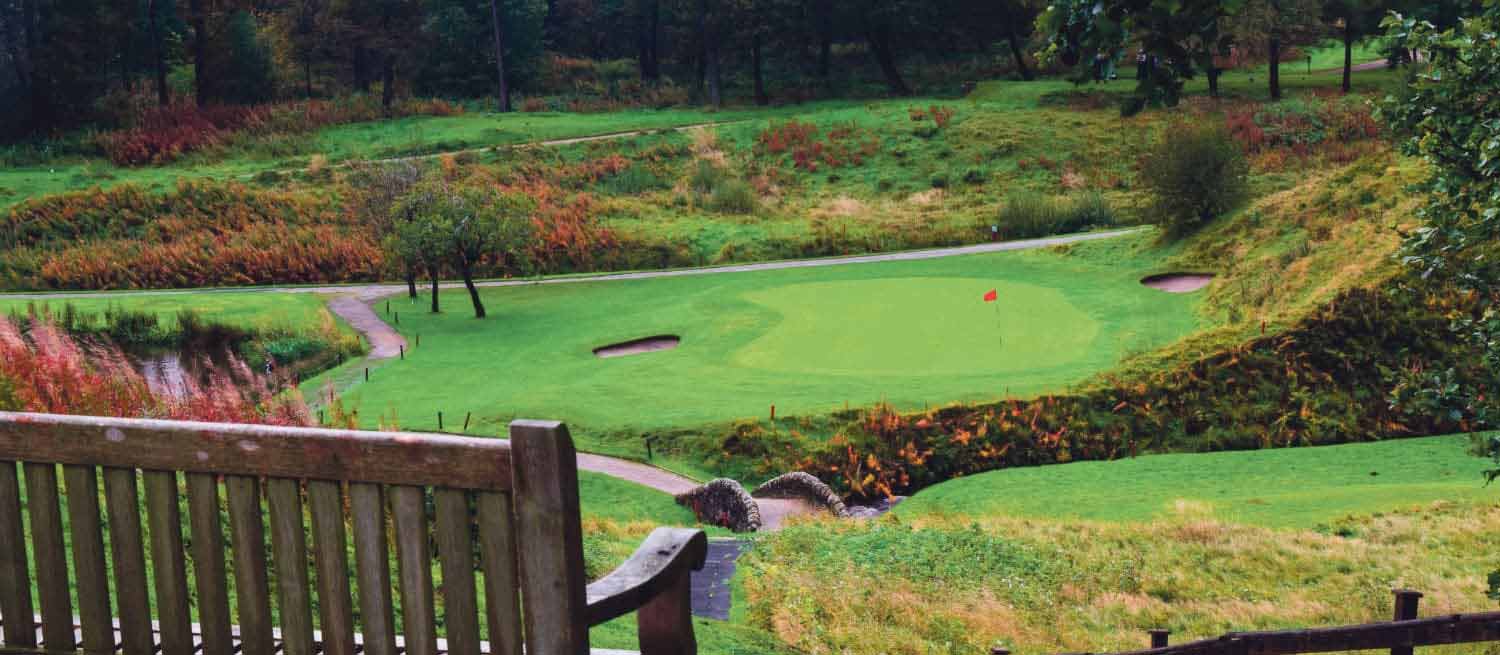
Named after the Duke of Devonshire’s stately home, the course at Cavendish has a modest footprint and a fascinating geology that MacKenzie applied his design philosophies to.
With its undulating fairways and strategically placed greens – many of them angled from the approach and featuring their own changes in elevation in keeping with MacKenzie’s style – as well as changes of elevation across a stunning landscape, there is a lot to get to grips with here. Some of the links with Augusta National are very clear – such as the elevated tee shots at short holes requiring carries, and the areas where bump and run approaches must take note of slopes building from distance – while many more similarities will delight players throughout the round.
Cavendish – which celebrated its centenary in 2025 – was described as “Arguably the world’s finest golf course under 6,000 yards,” by Today’s Golfer magazine, and it is home to the Alister MacKenzie Society. As part of the milestone last year, the club unveiled course work which has taken place over several years and includes remodelling bunkers in MacKenzie’s style and thinning out woodlands to recover lost views across the course.
Hazel Grove Golf Club
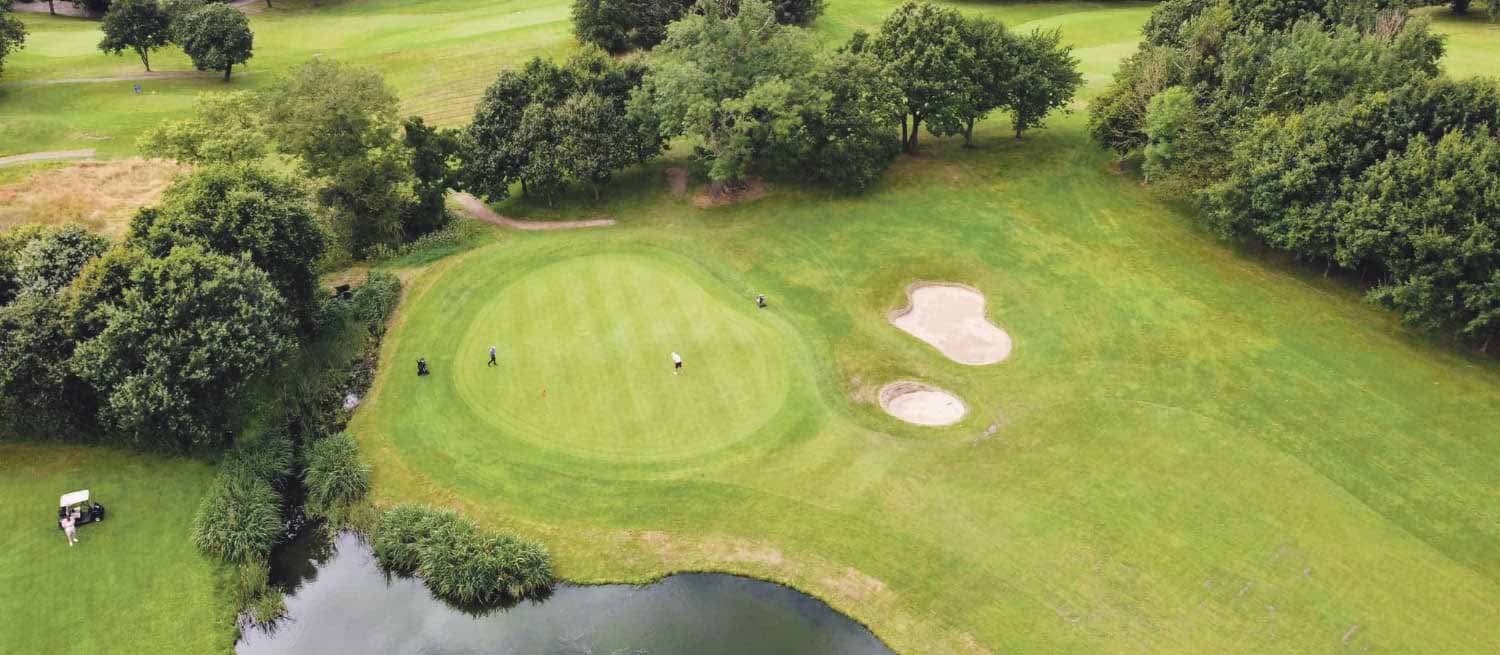
Founded in 1913, Hazel Grove is set in stunning parkland with views over Manchester and the rolling Cheshire plains. Having been founded seven years earlier, in 1920 the club asked MacKenzie to inspect the existing 12-hole course and adjoining land with a view to creating an 18-hole course. MacKenzie’s report was followed by the appointment of his brother Charles’ firm to construct the new holes and alter those already in place.
Elements of MacKenzie’s routing remains today – combined with enhancements over the following century – with numerous water hazards and the tree-lined fairways ensuring the course remains a challenge for players of all abilities. Meanwhile, modern USGA-specification greens provide an enjoyable test of golf all year round – and you’ll find a sculpture of MacKenzie here depicting him looking down the 18th fairway.

