

Experience the best golf West Yorkshire has to offer
You’ll find more than 80 of Yorkshire’s 180-plus golf clubs in the west of the county – offering a diverse selection of golf experiences from some of the top ranked courses in the UK, to village golf clubs laid out over spectacular landscapes and challenging layouts over parkland, heathland and moorland.
The west of the county has hosted some of the biggest tournaments in the amateur and professional games, with numerous clubs playing their part in showcasing what this part of Yorkshire has to offer.
Born in Normanton in 1870, the course designer and architect Dr Alister MacKenzie played a huge role in shaping many of the great layouts in this part of the world. Add in work by more of the great designers of the last century, and there’s a lot to explore. Join us for a tour of some of our favourites…
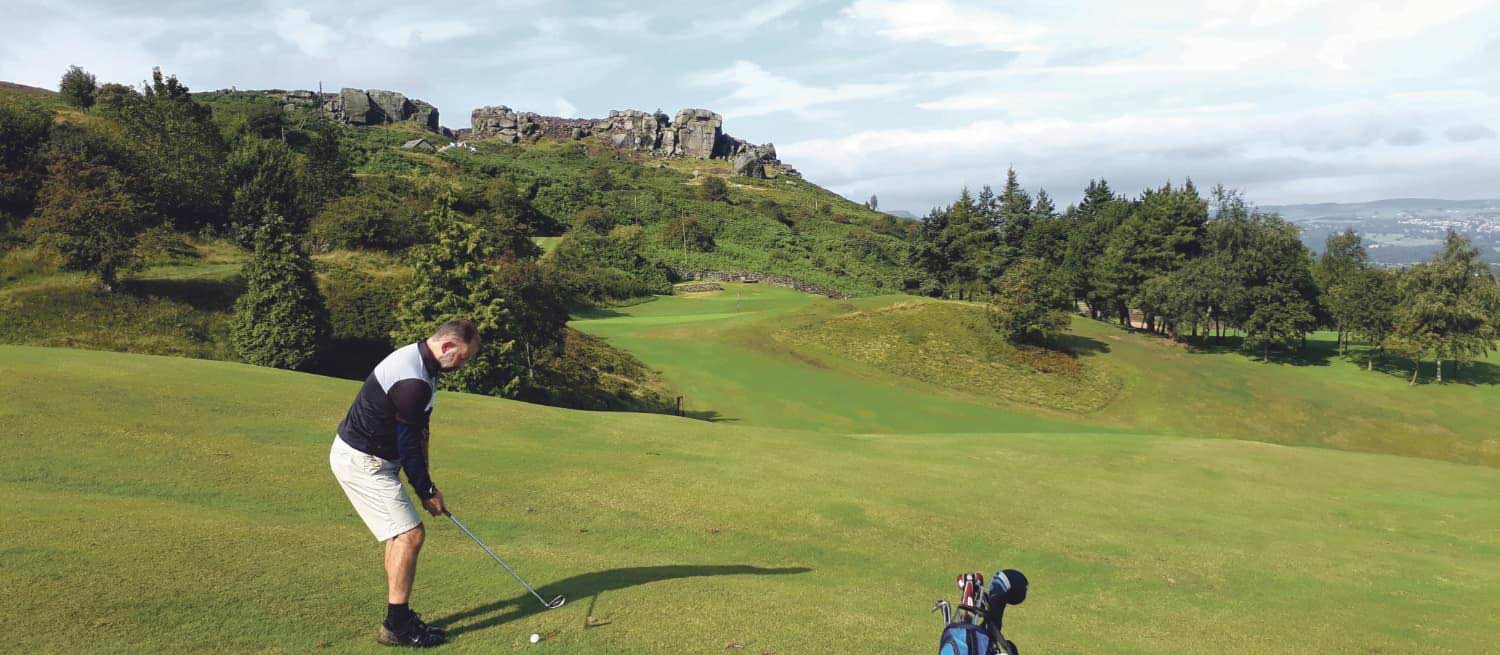
Ben Rhydding Golf Club
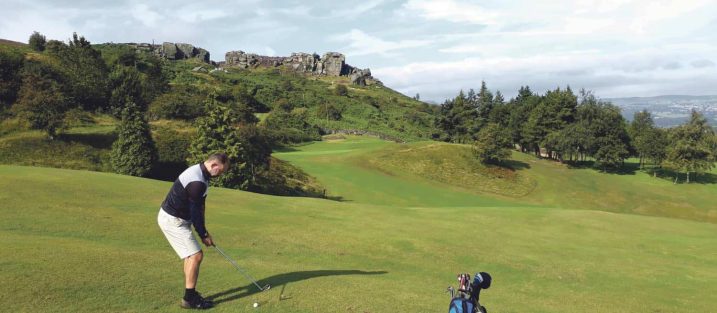
An incredibly friendly golf club, Ben Rhydding is set in beautiful surroundings in the shadow of the Cow and Calf Rocks.
The club was founded in 1947, though parts of the course date back to 1885-1895 and were laid down as part of the Ben Rhydding Hydro Hotel facilities.
The nine-hole moorside course – which measures 4,656 yards from the back tees and has a par of 65 for men and a par of 68 for women (4,322 yards) – features numerous tee boxes, with several of them creating different challenges for the back nine. Meanwhile, the green complexes ensure players of all abilities are tested throughout their round, sometimes even more so when they come back around and know where the danger lies.
Continuous investment in the golf course and facilities ensures a high level of presentation year-round, which both members and guests can enjoy on every visit.
The welcome here is always friendly, while a busy calendar at the club covers everything from social events to competitive golf.
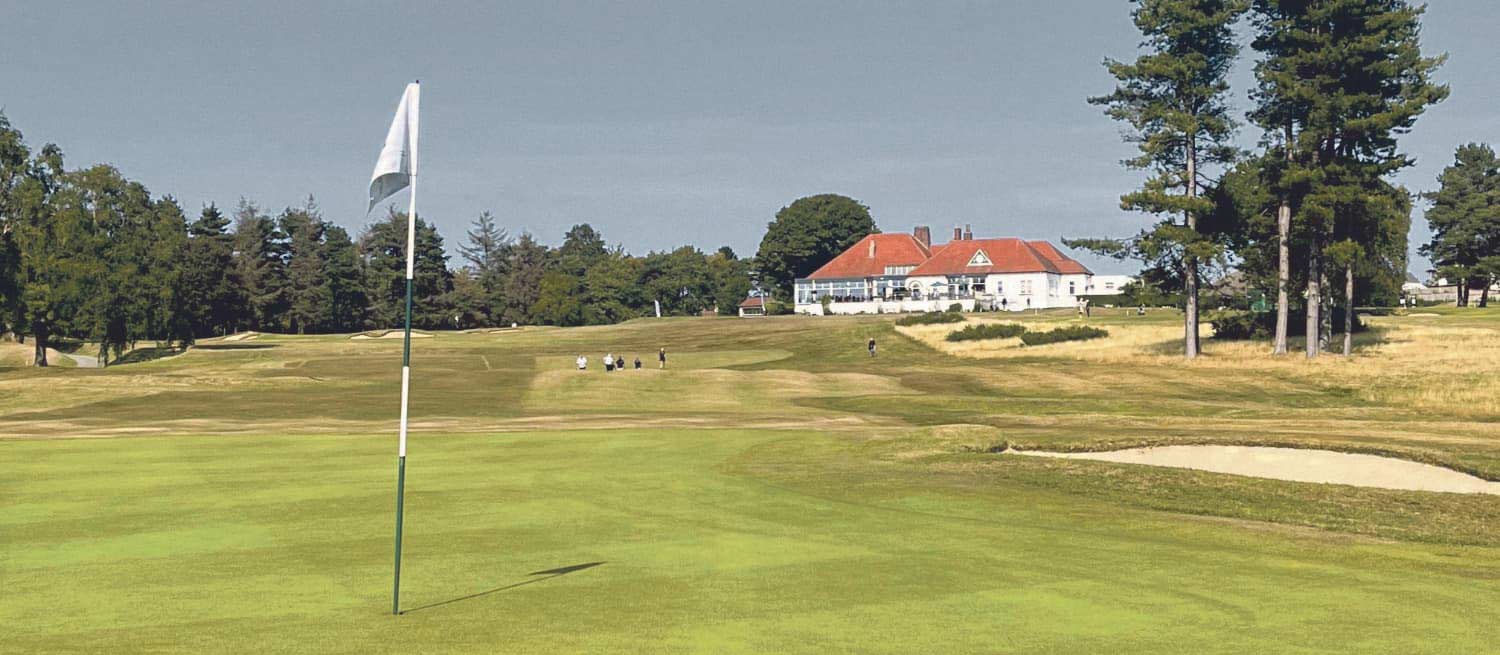
The Bradford Golf Club
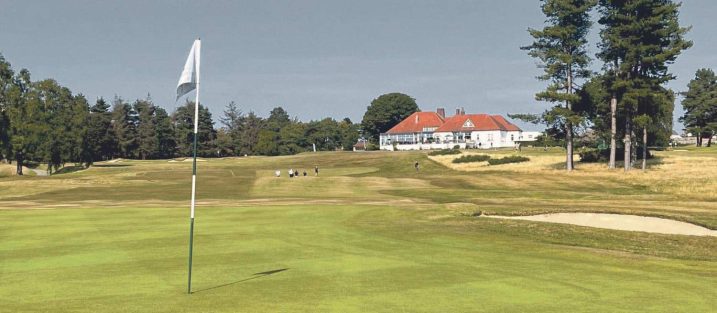
Set in tranquil countryside with views towards the Aire valley and Bradford’s industrial heritage, the course at The Bradford is a fine example of heathland golf in northern England.
The Bradford St Andrews Golf Club was founded in 1891 at Baildon, before being renamed 1894, and moving to its present location in 1899.
Redesigned by Herbert Fowler in 1923, the course has gone from strength to strength in the 100-plus years since.
With playing corridors defined by the trees, rough and heather, players must keep the golf ball under control from the tee here. When approaching the superb green complexes, which are defined by their bunkering, the key is also accuracy as short-sided bunker and chips shots – or extremely long putts – can be incredibly tough to get close.
While it is demanding, the course is equally intriguing. Measuring 6,247 yards from the back tees with a par of 71 for men and 72 for women (5,429 yards), there are birdie opportunities to be found when the holes are played well. Continued investment in the layout means it continues to test the modern player in line with Fowler’s design principles while remaining a fine example of his world-renowned work.
After your round, the clubhouse is a welcoming place to pop in for guests and members alike with its excellent catering and warm, Yorkshire welcome.
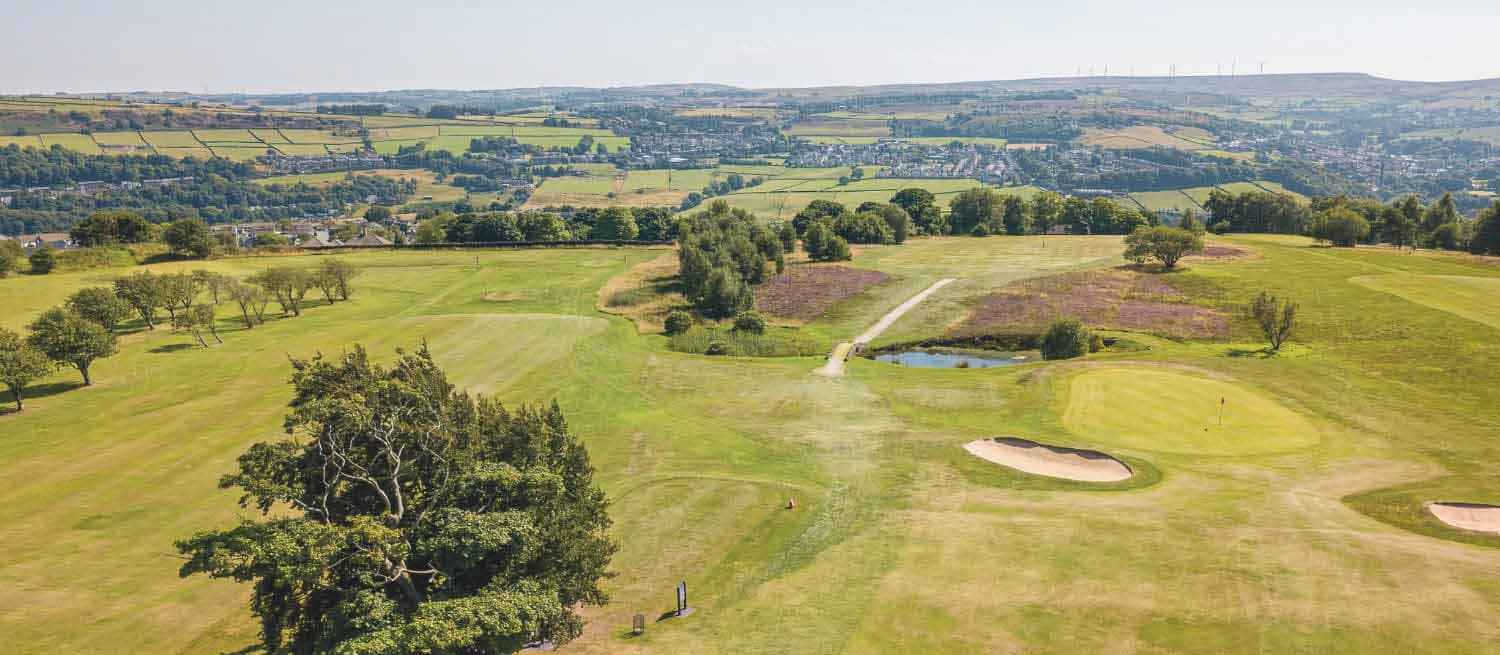
Branshaw Golf Club
The course at Branshaw Golf Club has been refined and enhanced throughout its history – most notably by the world-renowned architects James Braid and Dr Alister MacKenzie.
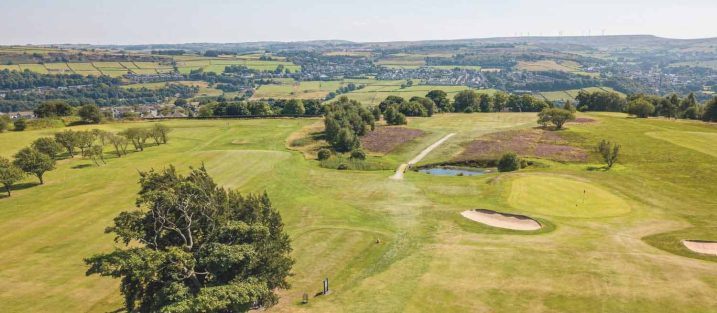
Located just five minutes from Haworth in Bronte country, golfers enjoy stunning views across the Worth and Aire Valleys and the surrounding countryside here.
The club was formed in 1912 with a nine-hole layout, and in 1925 more land was leased to extend the course. Continuous improvement and investment followed – including the refinement of Braid’s and MacKenzie’s work in line with their principles, and major drainage works which the course continues to benefit from throughout the year.
The golf course – which remains true to the guiding principle of the legendary designers which helped shape it – is a fine test of golf. Today, the playing corridors are well-defined with several tall trees and bands of rough, though the fairways are generous and players are invited to hit driver numerous times. Short approaches can come in handy as the well-guarded greens with their carefully positioned bunkers and run-off areas present an exacting test of iron play and short game skill.
Measuring 5,928 yards from the back tees with a par of 69 for men and women (5,083 yards) the course is accessible for players of all abilities while remaining tough to master.
The spacious and relaxed clubhouse meanwhile offers great food and a warm welcome to help you unwind after your round.
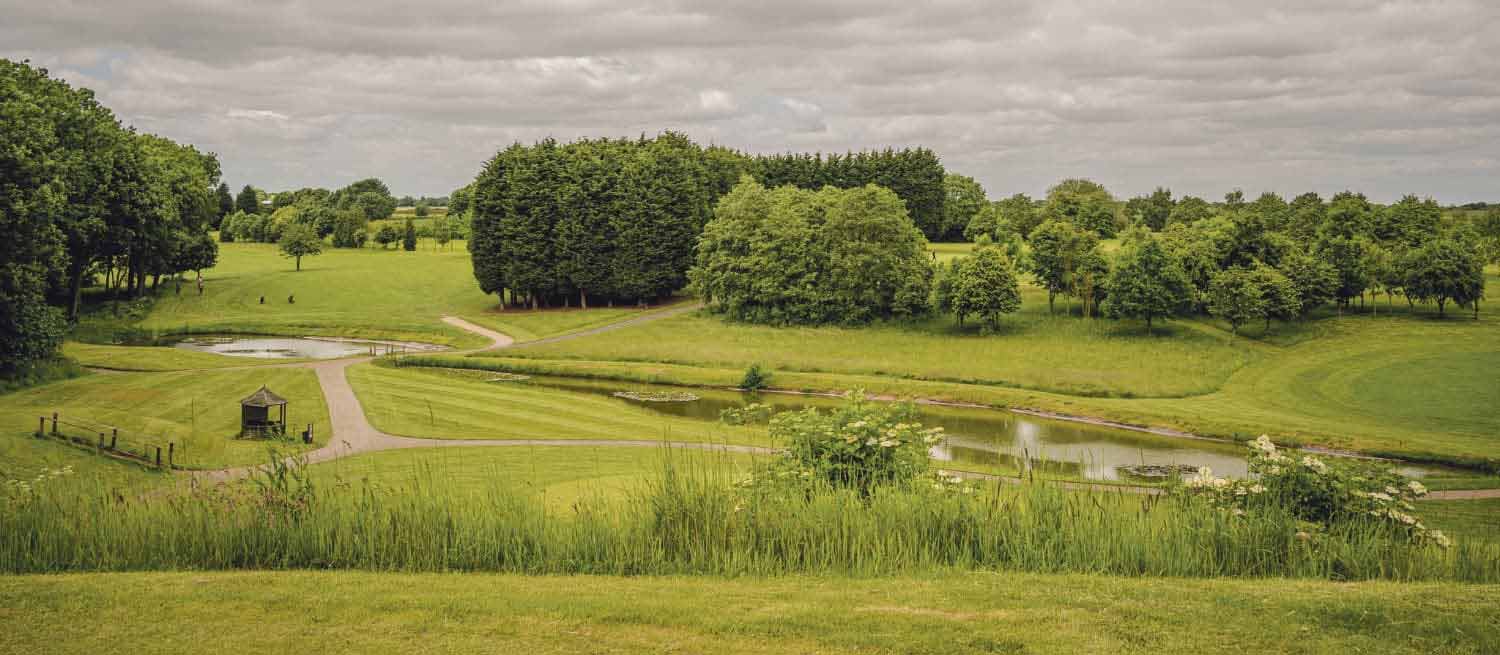
Darrington Golf Club
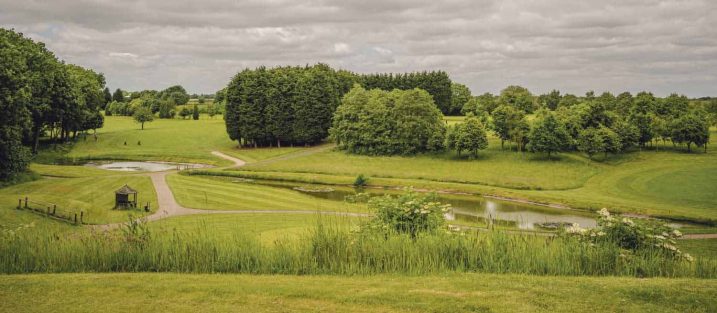
The course at Darrington Golf Club offers a fantastic challenge for players of all abilities. Weaved around mature trees and several water features, the gently rolling fairways lead to a challenging set of green complexes which present opportunities to score well when played skilfully.
Opened in 1993, Darrington (formerly known as Mid Yorkshire) was designed by Steve Marnoch, who saw the potential of this great landscape for golf just a short distance from Leeds, Wakefield and Pontefract.
Measuring just over 6,300 yards, the course continues to be enhanced thanks to continued investment across its design and presentation. Recently, a drainage ditch has been added to the ninth hole to create an island green, while the club is reaping the rewards after installing a new irrigation system.
Off the course, there’s a lot to enjoy as well – from the driving range to the welcoming clubhouse bar, which is open to members and visitors alike with excellent homecooked breakfast and lunch menus, and Sunday lunch served noon-4pm every week. The club can also cater for up to 200 people for events including weddings, christenings, birthday parties, funerals and conferences.
Howley Hall Golf Club
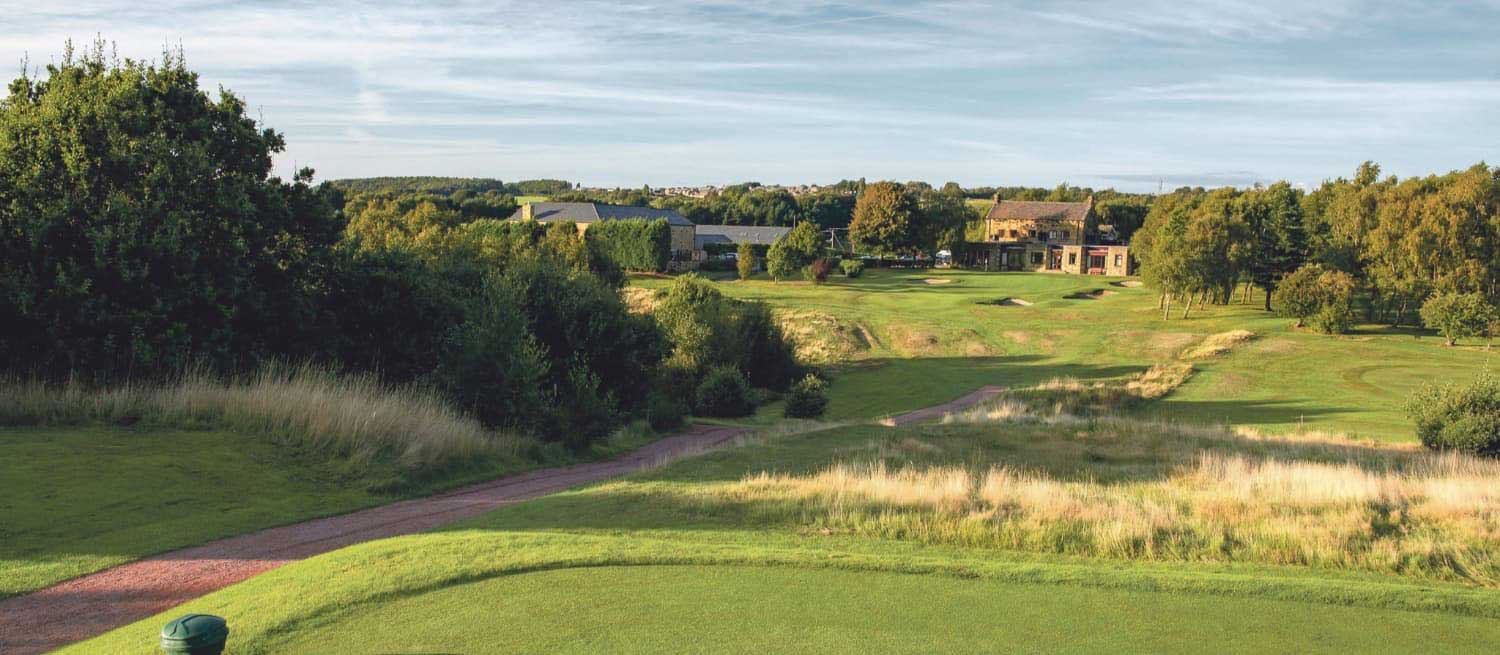
Founded in 1900, with Dr Alister MacKenzie advising on upgrades to the course in 1913, Howley Hall Golf Club is steeped in history, remains a fine example of the good doctor’s work, and continues to benefit from continued enhancements and refinement.
The first nine-hole layout here opened in 1900, and this was extended to 18 holes in 1908.
Five years later, following his success locally, MacKenzie was commissioned to redesign the course. Numerous holes were constructed in his tiered style and 12 of these are evident today.
With a number of changes in elevation, the course also has many challenging tee shots and approaches – particularly over the closing stretch and at the par three 18th, which is played from an elevated tee to a green set in front of the clubhouse.
Work since the turn of the century led by architect Jonathan Gaunt has further enhanced the course, notably the bunkering, while maintaining the MacKenzie hallmarks and ensuring it presents a fine test for the modern golfer.
Pontefract & District Golf Club
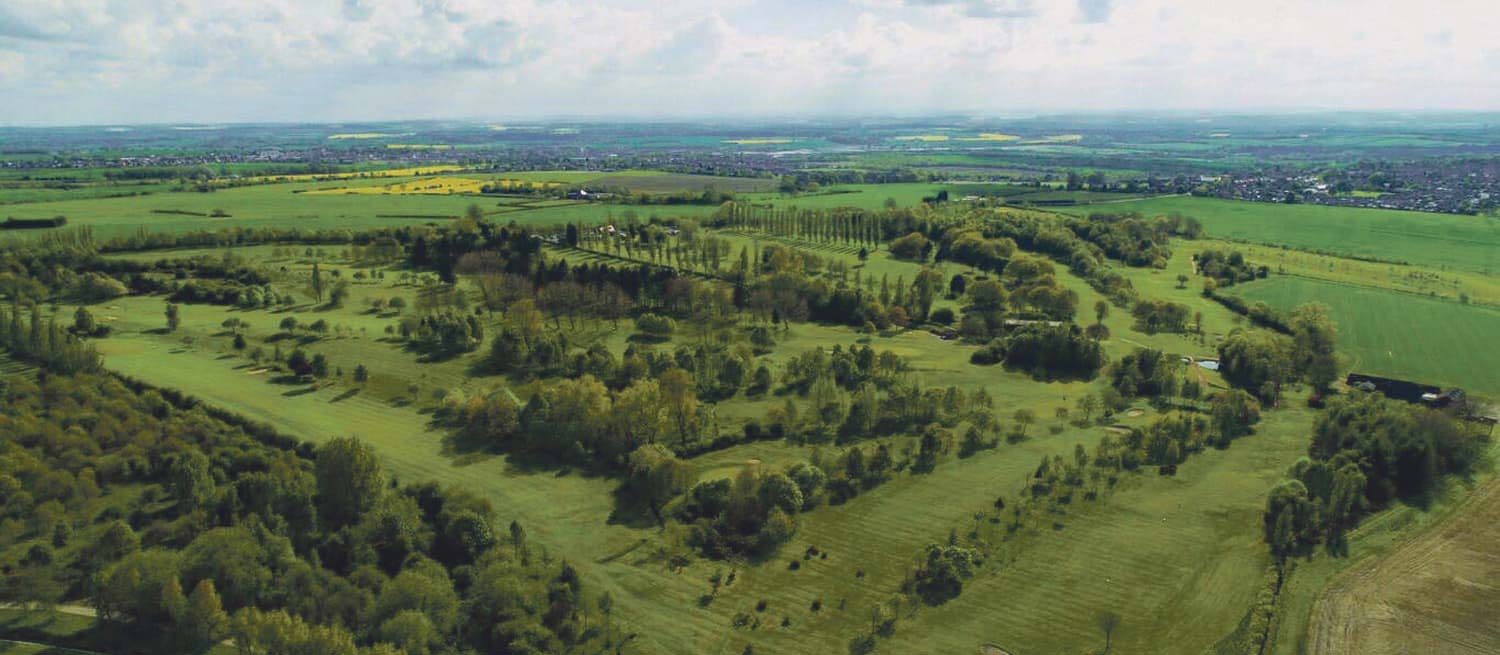
The mature, tree-lined layout at Pontefract & District Golf Club – set beside the town’s famous racecourse – is a fantastic place to test your game.
The club was established in 1904 – with founder members creating a nine-hole course on land belonging to the local park near the current location. In the early 1920s, a new course was laid out on adjoining land which was leased from the Duchy of Lancaster. A decade later, this course was extended to 18 holes based on a layout drawn by Dr Alister MacKenzie.
The layout has continued to evolve – with new land acquired as part of this work – and today it measures 6,520 yards with a par of 72.
Having tested your game, the clubhouse and patio overlooking the 18th green are welcoming spots to relax after your round.
For visiting golfers, the club is handily positioned just off junction 32 of the M62 and only 10 minutes’ drive from the A1.
Scarcroft Golf Club
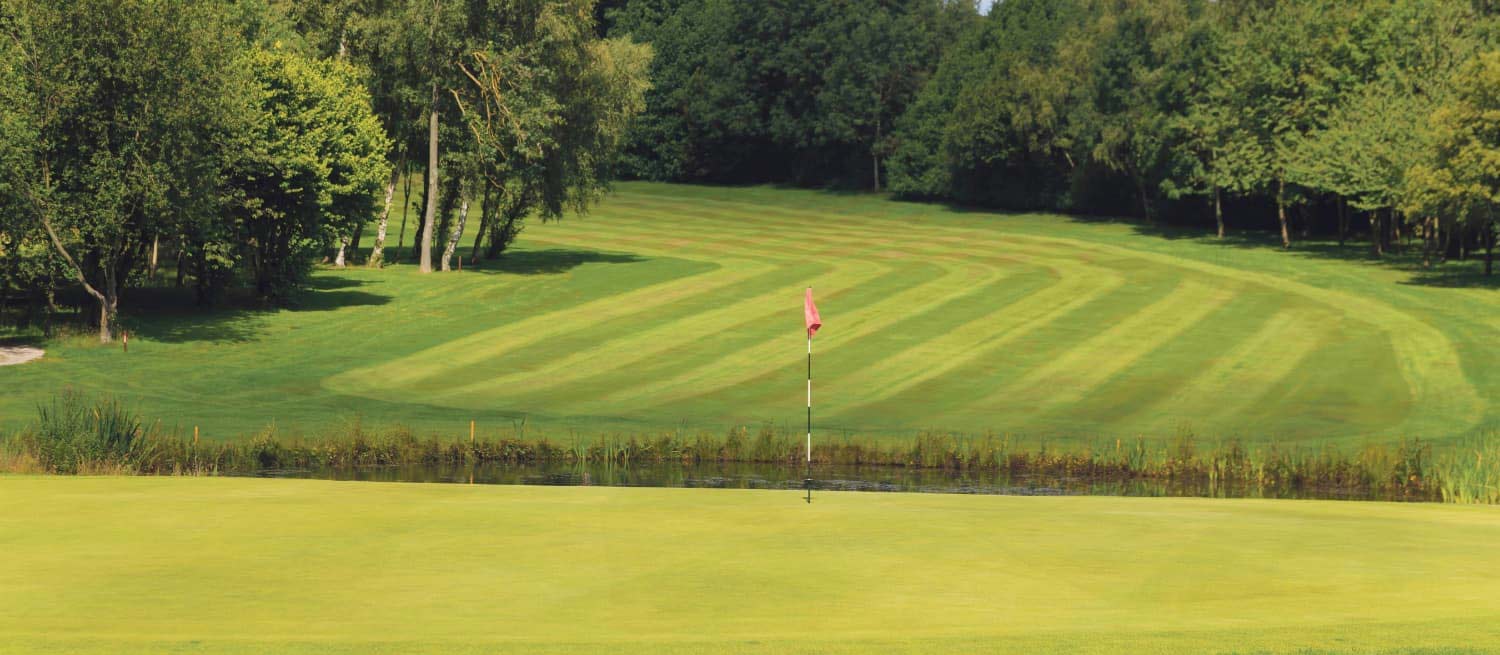
The wonderful parkland course at Scarcroft Golf Club has undergone considerable improvement in recent years, and today it presents a fantastic test for players of all abilities.
The improvements to the layout – including drainage, bunker renovations and extensive greens work – have ensured this tranquil setting just a few miles from the centre of Leeds and close to Wetherby, York and Harrogate remains one of Yorkshire’s finest.
The tree-lined fairways and challenging greens continue to present a true test, with the par 71 course measuring 6,456 yards from the back tees.
As well as warmly welcoming visitors, Scarcroft provides a great membership community with a focus on improving health and wellbeing through a quality golf and social experience. There is a real sense of community here – with volunteers running the club for the benefit of their fellow members. Meanwhile, the management team is ambitious with a consistent approach to the continuous improvement of both the facilities and the member experience, which is evidenced on every visit.
Woodsome Hall
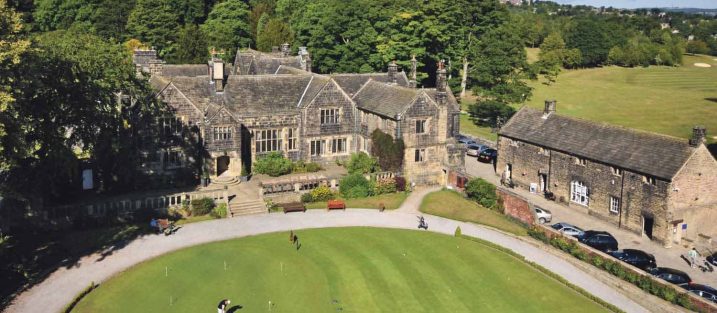
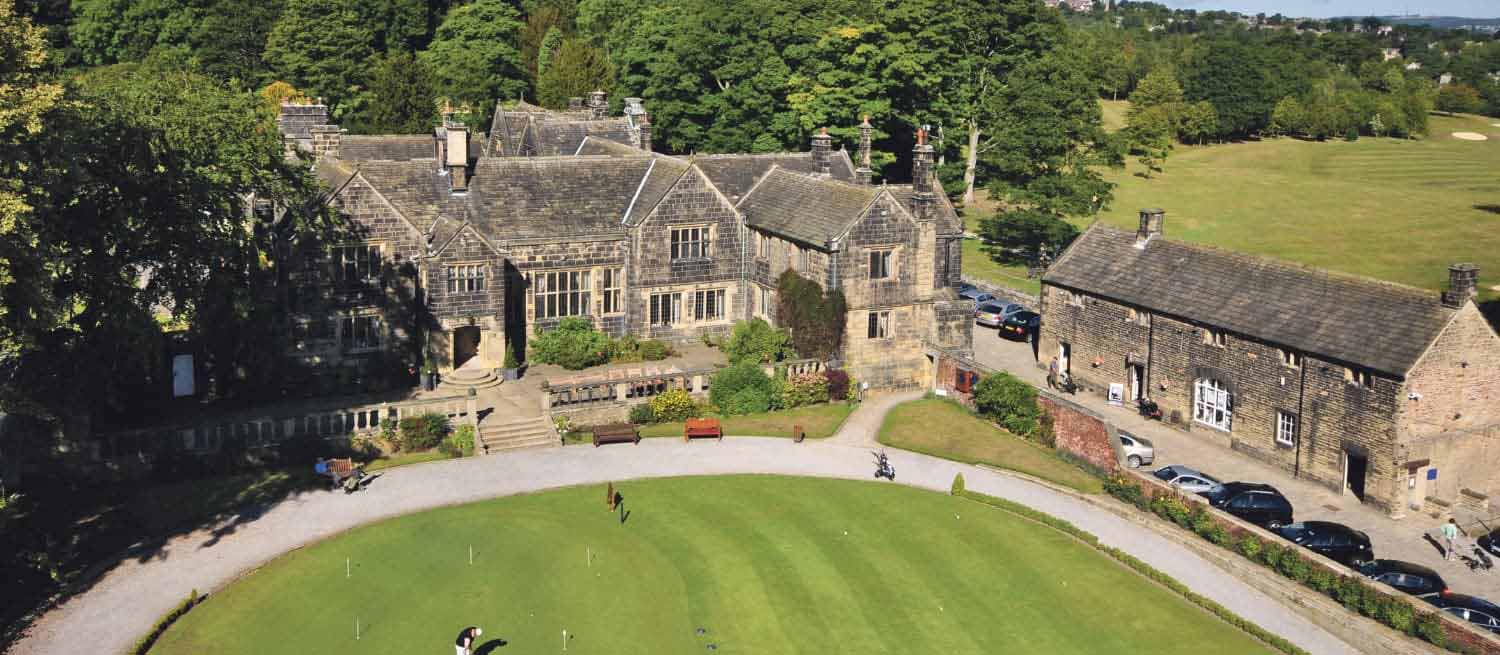
With its mature golf course and 15th Century, Grade I-listed clubhouse dating back to 1462, there is a lot for golfers to enjoy on every visit to Woodsome Hall.
Designed by Harry Colt in 1922, and modified later by James Braid, the golf course at Woodsome Hall is a classic English parkland test with mature trees and fascinating greens which are sure to test every golfer.
Measuring 6,141 yards from the back tees with a par of 70 for men and 74 for women (5,629 yards), the tree-lined fairways will examine every players’ game from the tee while the green complexes and their unique, challenging bunkers ensure scoring is never too easy here.
Golfers can also choose to extend their stay at Woodsome Hall in the Cottage on the Course.
There is space in the cottage for up to 16 people with eight en-suite rooms, and the cottage is located just a short chip away from the seventh green and eighth tee. Previous visitors have loved the experience of staying here, with reviewers giving it a rating of Fabulous (8.7 out of 10) on Booking.com.

