


Join us for a round at Ponteland Golf Club
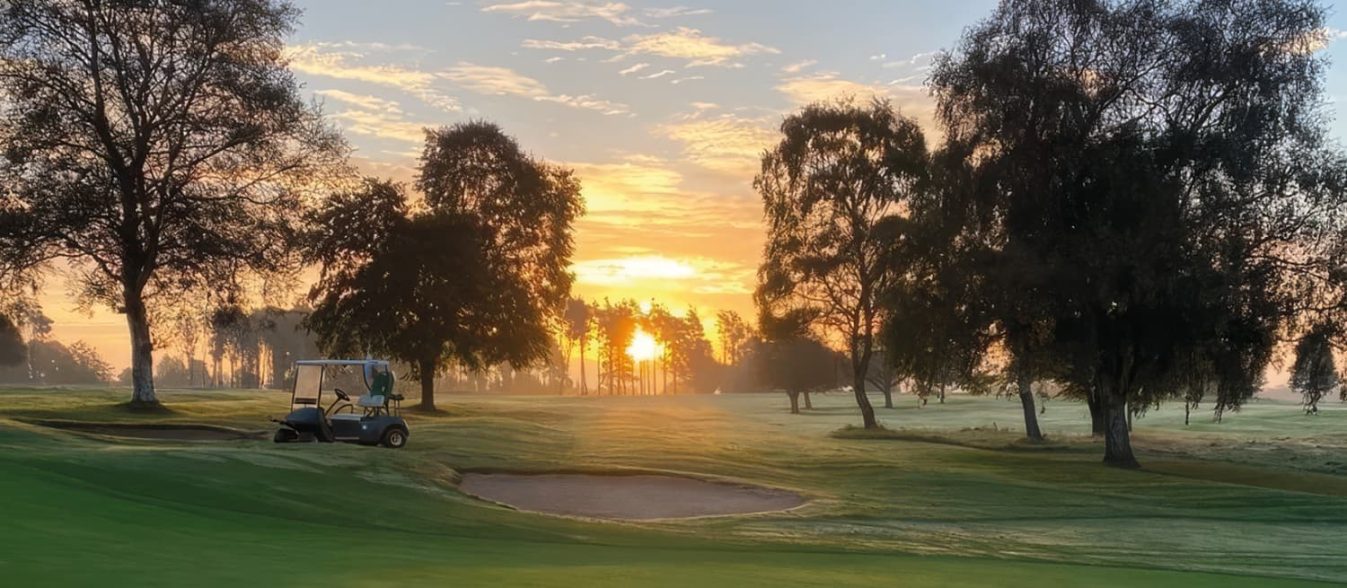
For 100 years, Ponteland Golf Club has been a haven for golfers just a stone’s throw from the heart of the Northumberland town.
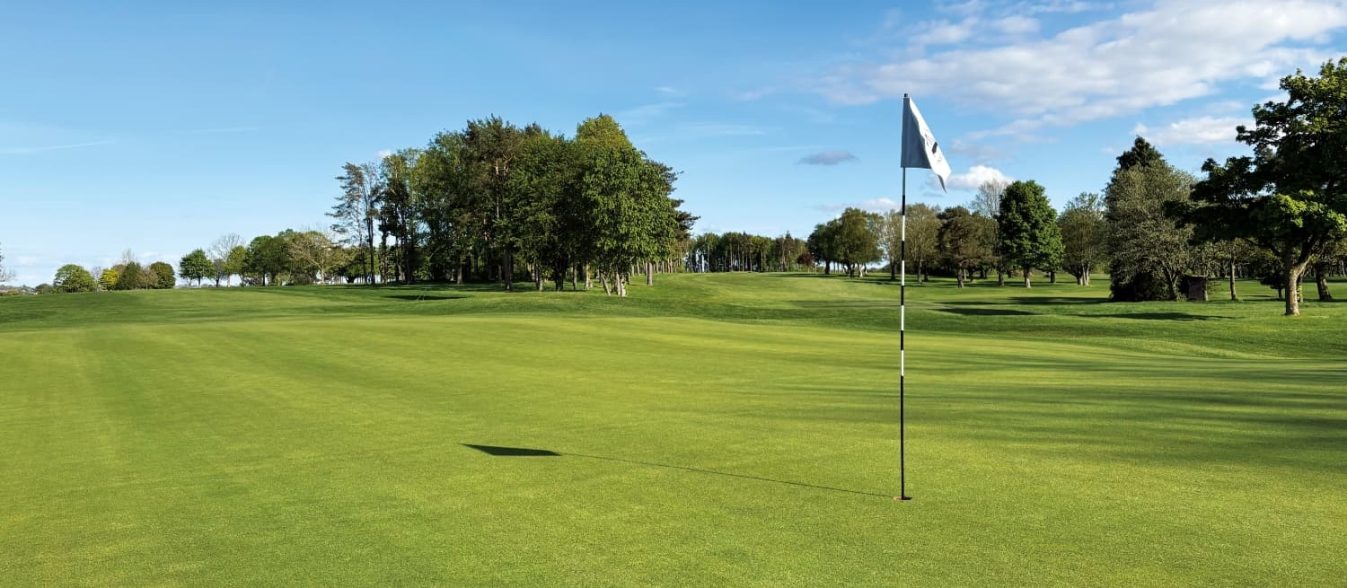
Just minutes from Newcastle International Airport and the A1, it can be hard to believe how close you are to the hustle and bustle when you reach the sixth tee and can see nothing but tree-lined fairways and countryside.
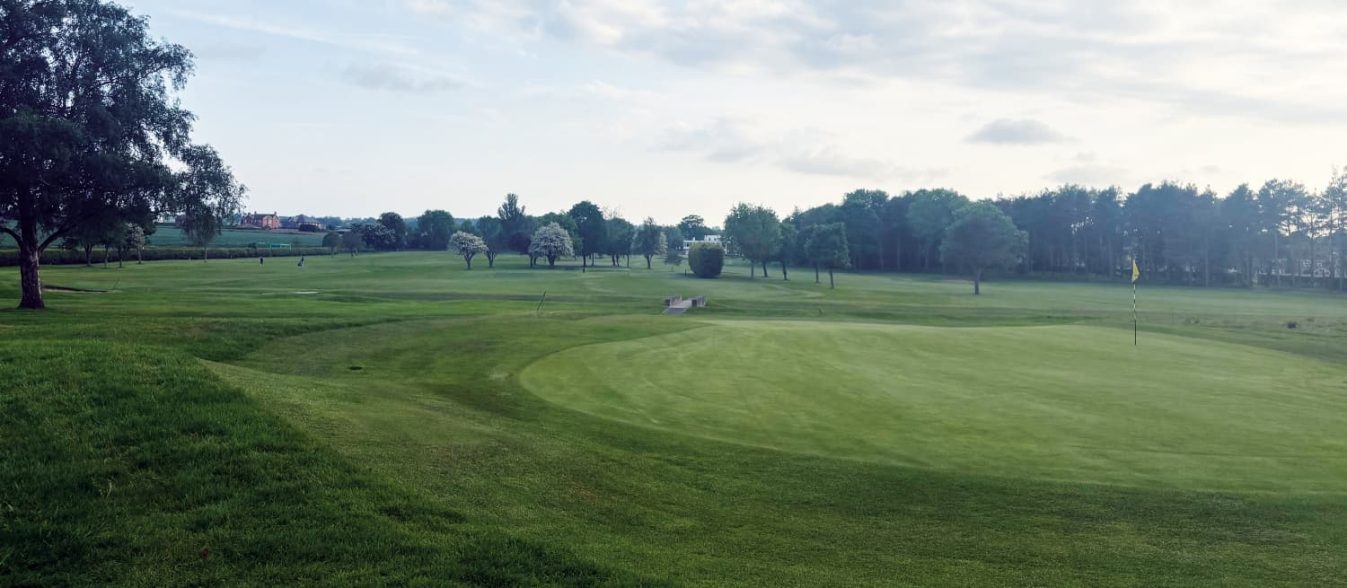
The original nine holes here were opened in 1927, with the course soon extended to 18 holes as the layout was developed by Gosforth Park’s Harry Fernie. Today the golf course is a fine example of traditional parkland golf in the north of England.
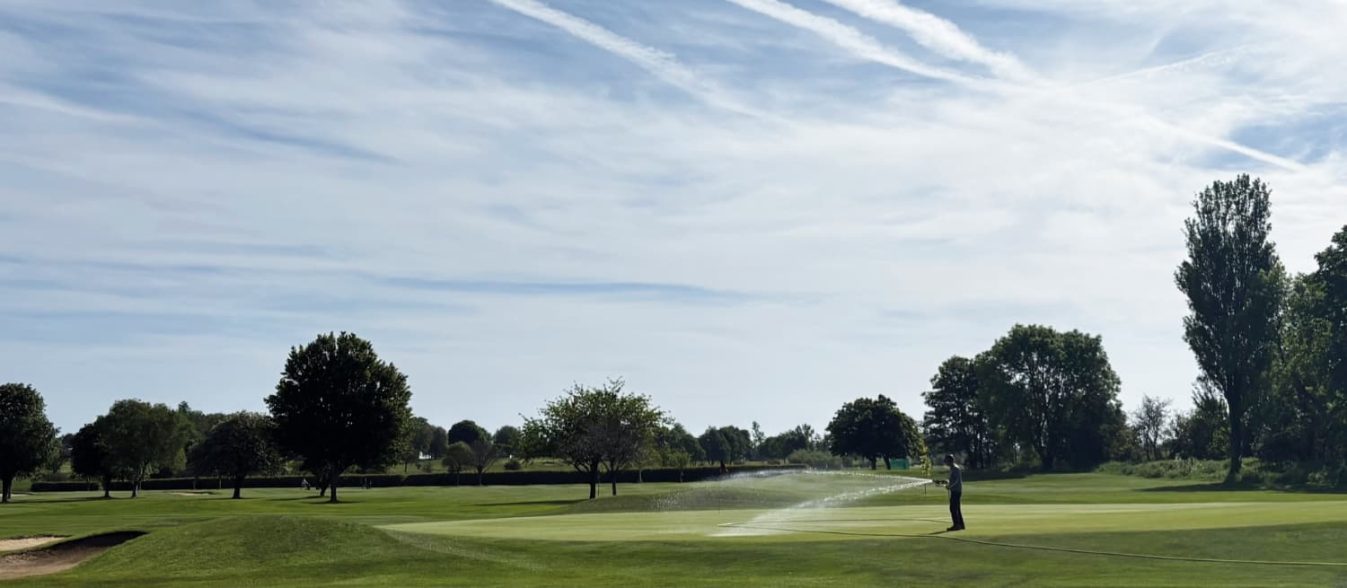
Major investment in the management of woodland has improved playing corridors and agronomy in recent years, while a programme of drainage work and investment in the presentation of the golf course continues to push playing conditions to new heights.
Off the course, the club has seen great change in the last few years, with Craig Kilgour promoted to head greenkeeper before Candi Watkins arrived as general manager in the summer of 2025, and Chris McDonnell returned to the North East and took up the role of head professional last winter. The club has benefitted from more investment since, across greenkeeping equipment, the creation of an indoor studio with TrackMan iO technology, and refurbishments of the pro shop and clubhouse.
The course has been tweaked and adapted over the last 100 years and today it measures 6,567 yards from the back tees with a par of 72, and 5,882 yards from the red tees with a par of 75 for women.
The start is as tough as they come. The par four first can be stretched to 422 yards from the back tee and its fairway is well-defended with out of bounds right and two fairway bunkers left of the landing area some 210 and 120 yards from the green. The putting surface is set beyond a narrow ditch – one of only two water hazards on the golf course – with two more bunkers flanking the front of a wide green which is cut into a slope.
The par three second hole has been extended in recent years and can be as long as 189 yards from the back tee. The long, narrow green is surrounded by five bunkers and features a spine which separates the lower front half and raised back tier.
Three short par fours follow, and the stretch can yield birdies when played accurately.
At the 345-yard third, you must favour the left half of the fairway with your tee shot as the slope will feed balls right. Do not stray left though as the trees will block your route to the flag. Playing from below the green on the right side, be sure to get up to the putting surface as anything short and right – even shots pitching on the front corner of the green – will find the bunkers cut below the putting surface on this side.
The slightly longer fourth offers a little more room from the tee. A cross bunker sits some 40 yards short of the green, where two more traps flank a long putting surface.
At the fifth, finding the fairway is key with trees left, a ditch and out of bounds right, and an elevated green which runs away from you in its front half. The putting surface is perched well above the landing area, with an imposing bunker positioned well short on the right side and a second bunker short left. Two more greenside bunkers and steep run-off right and beyond the green complete the challenge at the fifth.
The long par four sixth will test your ability with driver. Measuring 413 yards, many bail out left into the trees here to avoid the out of bounds right. Those who want to attack the flag on this severely undulating green must find the right side of the fairway to have a flat lie. The slopes in the green are steep, and three bunkers wait to catch errant approaches.
The second demanding par three on the front nine follows. Played uphill to a large green obscured by a bunker set well short, and beautifully framed by the tall trees beyond, the 167-yard seventh requires a confident approach to make the carry and find another heavily contoured green flanked by sand.
Some respite is offered at the par five eighth hole, which sweeps downhill with a fairway that slopes from right to left. The hole turns subtly right, passing two cross bunkers, towards a large green which can be reached in two by longer hitters.
The front nine ends with a demanding par four. Measuring 459 yards from the back tee, the drive at the ninth is played uphill with a bunker left and second trap further up on the right side. Those who make it past the bunkers and to the top of the hill get a great look at the large green. The putting surface, which slopes subtly from back to front and is wider in its rear half, is pinched in the front by a pair of deep bunkers.
The 360-yard par four 10th is another test of driving accuracy with trees flanking the fairway and a single bunker set on the inside corner of the left to right dogleg. A long and accurate tee shot is rewarded with a short approach, while those playing into the green from wide angles will do well to avoid the sand around this green.
The straightaway, 403-yard 11th is played slightly uphill and is framed by trees. A long tee shot will make finding the right section of this large green easier. Steer well clear of the bunkers short as they’re set well back from the green.
The shorter par four 12th hole can yield birdies. Turning from left to right and heading downhill to the green, the key here is finding the fairway to have control over your second shot. Those who head right off the tee will face a tough shot over sand into a long green which runs away from you.
The uphill tee shot at the par five 13th must be played well to follow the shape of the hole and avoid the trees on both sides. The hole turns left at the top of the hill, and a devilish bunker set 60 yards from the green on the right side can catch out those laying up as well as players looking to run the ball onto the green. Another long green is well-contoured with one bunker left and two more right.
Played downhill, the 398-yard 14th requires two great shots to find the green. Teeing off back among the trees, staggered fairway bunkers guard the ideal landing area for the tee shot. The hole then turns subtly left and heads downhill to a vast green which slopes from back to front with steep run-offs in its rear two thirds, and two bunkers at its front corners.
The shortest of the par threes, the 15th can be tricky in the wind. Protected by steeply contoured bunkers, trees left and the boundary of the course right, find the centre of this green, two-putt and move on if you can.
The most challenging hole on the course, the 449-yard par four 16th is a brute. Played semi-blind around the hedge line, the fairway sits above the tee and is far wider than it appears. The trees left catch many players who bail out to avoid the out of bounds right, and a confident tee shot is a must if you want to have any chance of reaching the green in regulation here. The longest players will get a good look at the enormous target, which is designed to be approached from the right side of the fairway with a large bunker set front left and another shallow bunker on the right side. A four here is a great score.
A birdie-birdie finish is always possible at Ponteland.
The 17th measures just 293 yards from the back tee and while the vast green is in reach for some, it is very well guarded with out of bounds right, thick rough left and three bunkers en route to the flag. However, a long-iron into the generous fairway leaves a simple approach to any pin position.
At the short par five 18th, the tee shot must steer clear of the trees and thick rough right. Two staggered fairway bunkers are in reach for many from the tee. The hole turns slightly right from the landing area to reveal another particularly large green set in the shadow of the clubhouse. Sloping from back to front, the putting surface is defended by three bunkers – including a very deep one front left – and run-off areas left and through the back.
OUR VERDICT
A wonderful place to test your game, with green complexes which are equally fascinating and difficult, a round at Ponteland is sure to challenge and delight in equal measure.

