



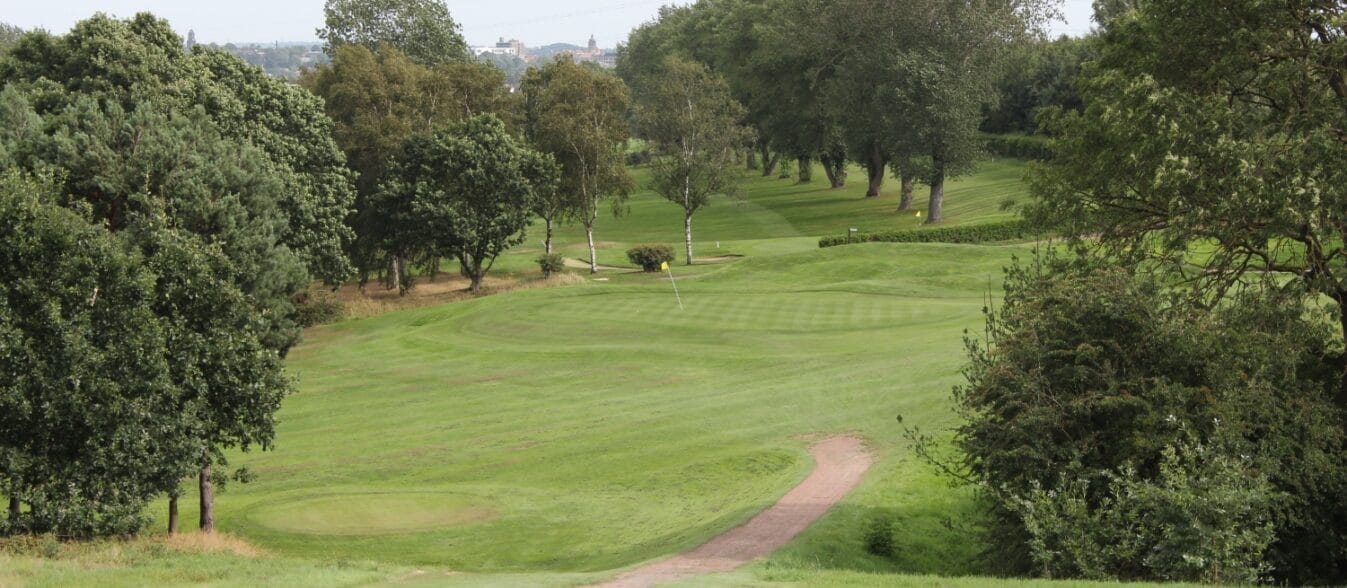


Danny Lockwood pays a visit to Low Laithes Golf Club
High spirits will abound at Low Laithes Golf Club in June as the Alister MacKenzie original celebrates a landmark centenary.
The Ossett club is staging a Centenary Festival Week from Monday June 23 as part of the occasion – with a series of opens, a visit from the 2020protour, a Centenary Captains’ Event, and a big celebration on the Saturday night.
The Centenary Dinner isn’t until September, but ahead of that there are smiles on the faces of everyone at Low Laithes after a few difficult years.
A boardroom shake up and fresh approach to the business – both on and off the course – has seen a major turnaround in finances under director and treasurer Mike Wilkes. The club has recently welcomed 108 new members, helped by some novel new categories, and Low Laithes has also entered a junior team in the Leeds & District League for the first time in a while.
Add in that the course is in absolutely tip-top condition, and there’s a lot to celebrate.
“We’re really proud of what everyone here has achieved,” said Mike. “I just want every single Low Laithes member to feel proud too.”
One man guaranteed to share that feeling is the club’s centenary president – Low Laithes legend Paul Browning. The club professional for an astonishing 45 years – from 1971 to 2016 – and club secretary/manager for the last 14 of those years, Mr Low Laithes will be joined in ceremonial jackets by centenary captains Graham Brooks and Susan Wood.
“We’re all excited about the year ahead, but for Paul this is something truly special given his record of service to everyone here,” added Mike.
The good news also extends beyond the club’s 500-plus members. Visitors are being offered a bargain green fee of £19.25 (Mondays only) to mark 100 years since MacKenzie started working his magic on the golf course.
The centenary year will also see PGA professional Shaun Goswami introduce the Girls Golf Rocks programme, assisted by reigning Leeds & District Junior Order of Merit champion Ben Waites, who is starting his journey towards his PGA qualifications.
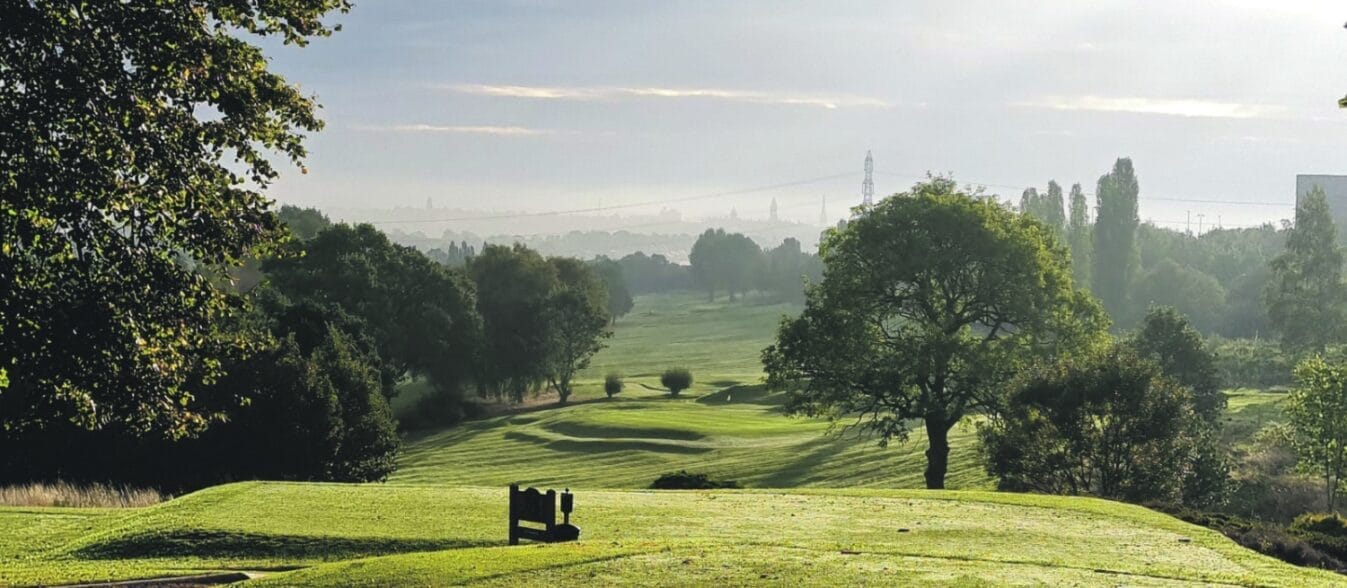
While the 18-hole parkland track doesn’t occupy the biggest footprint, MacKenzie’s eye for creative topography was put to good use here. The land slopes distinctly from top right to bottom left, and MacKenzie worked to its strengths while laying out the holes – creating nine holes with a par of 34 going out as the course weaves down its left side to the fourth green. It then rises at the fifth and stretches out again on the course boundary to the eighth green and elevated ninth tee. By the time you have finished the 11th, the layout has been circumnavigated. The course then winds in on itself with an inward nine with a par of 38 and three par fives in the last six holes, including the excellent 18th.
Consistent improvements – to course drainage, bunkers and trees – have certainly got Low Laithes looking pristine for its big year.
Low Laithes Golf Club (Yellow Tees)
1 – 332 yards, par 4
Everything is laid out before you at the first – a gentle downhill opener which doesn’t often require a tee shot with driver, particularly for big hitters who can bring the short right bunker into play. The church tower is the perfect line off this elevated tee and a big, flat green welcomes approach shots.
2 – 396 yards, par 4
One of the toughest par fours on the course arrives early, and the tee shot is intimidating with trouble visible left and right – comprising out of bounds down the left and ponds and ditches on the right. Staying straight is paramount.
3 – 359 yards, par 4
A new ditch was added to the third hole some years back, and there’s another 75 yards short of the slightly elevated green, which is defended by a bunker some 25 yards out. The relatively flat green makes this hole scoreable still.
4 – 161 yards, par 3
The first short hole takes you over water. Those who choose to bail out to the right could find one of the bunkers slightly above the putting surface, which falls away to the left.
5 – 292 yards, par 4
While it’s not long, the fifth plays uphill to the corner of a distinct dogleg to the right. You’ll have an uphill approach to a characteristically angled, two-tier MacKenzie green which is protected by a run of bunkers on its right side.
6 – 319 yards, par 4
Though just over 300 yards, the sixth can be tricky to get right as the fairway slopes away to the right and it’s easy to leave yourself a tough approach. The daunting line of mature trees along the left are gone, which makes the tee shot less nerve-racking than before. The green is quite narrow with banking above it and bunkers below.
7 – 424 yards, par 4
The longest, and arguably toughest, par four on the course – the seventh is often played into the wind. Everything slopes from the left here and your approach is played to a big circular green with some impressive bunkering.
8 – 150 yards, par 3
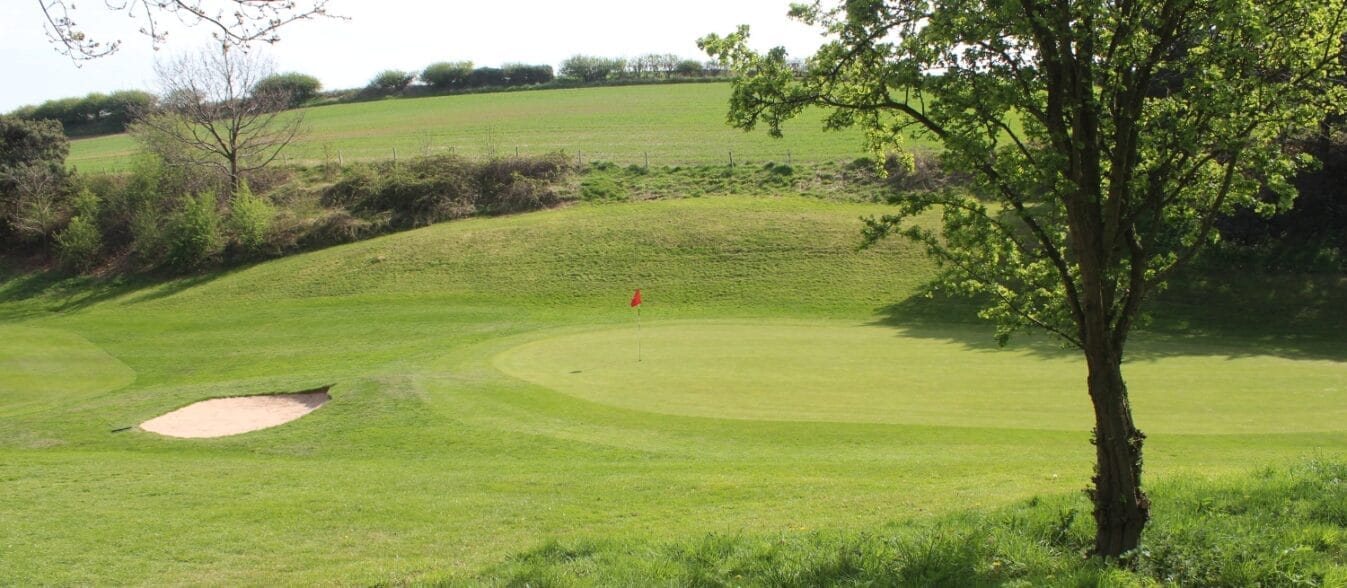
A pretty hole and the shortest of the par threes, the eighth is played ever so slightly uphill into a bowl-like protected setting. The green is long and quite narrow.
9 – 396 yards, par 4
At the very top of the course, the tee shot at the ninth sweeps downhill. The green invites approaches, though beware the runoffs to the left and back of the putting surface.
10 – 274 yards, par 4
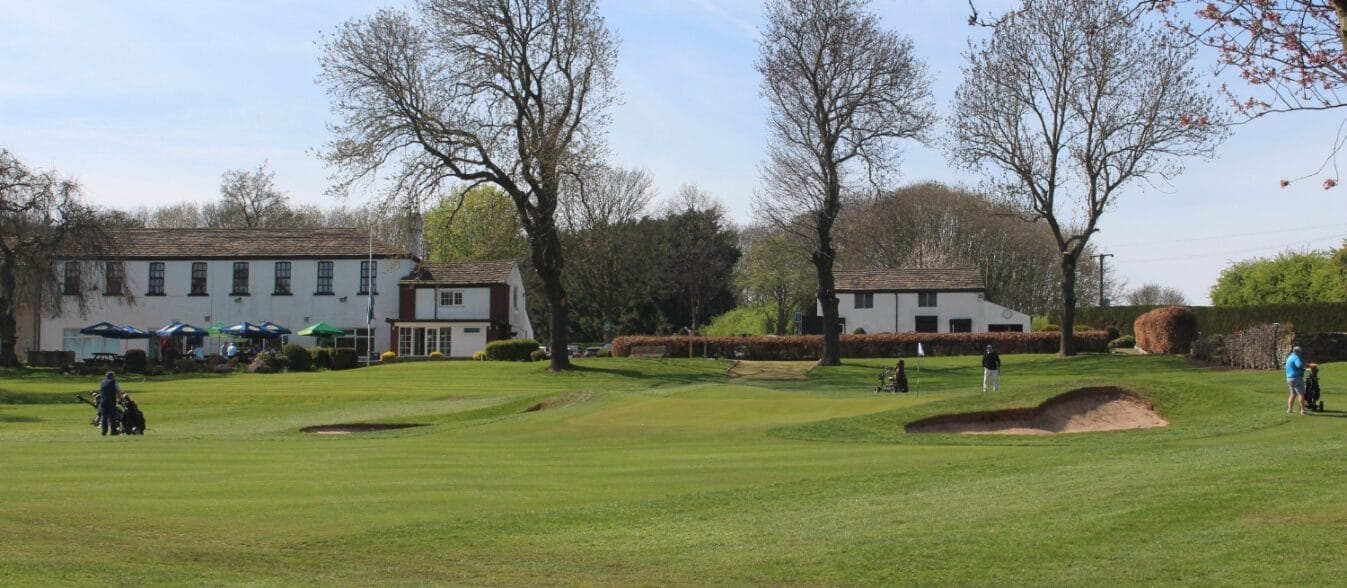
The 10th is short at well under 300 yards, but danger abounds with the clubhouse and car park to the right. The smart play is to bail out to the left with your uphill tee shot, before turning sharply right and playing uphill to an angled, well-protected green.
11 – 277 yards, par 4
A rather wide, inviting and rising fairway heads towards a two-tier MacKenzie green which is guarded by bunkers. Most second shots will be played blind, though it helps to finish below the hole if you can.
12 – 165 yards, par 3
Playing from an elevated tee across the valley, this is a very pretty par three. The only short hole on the back nine, danger abounds above, below, short and long of the green.
13 – 545 yards, par 5
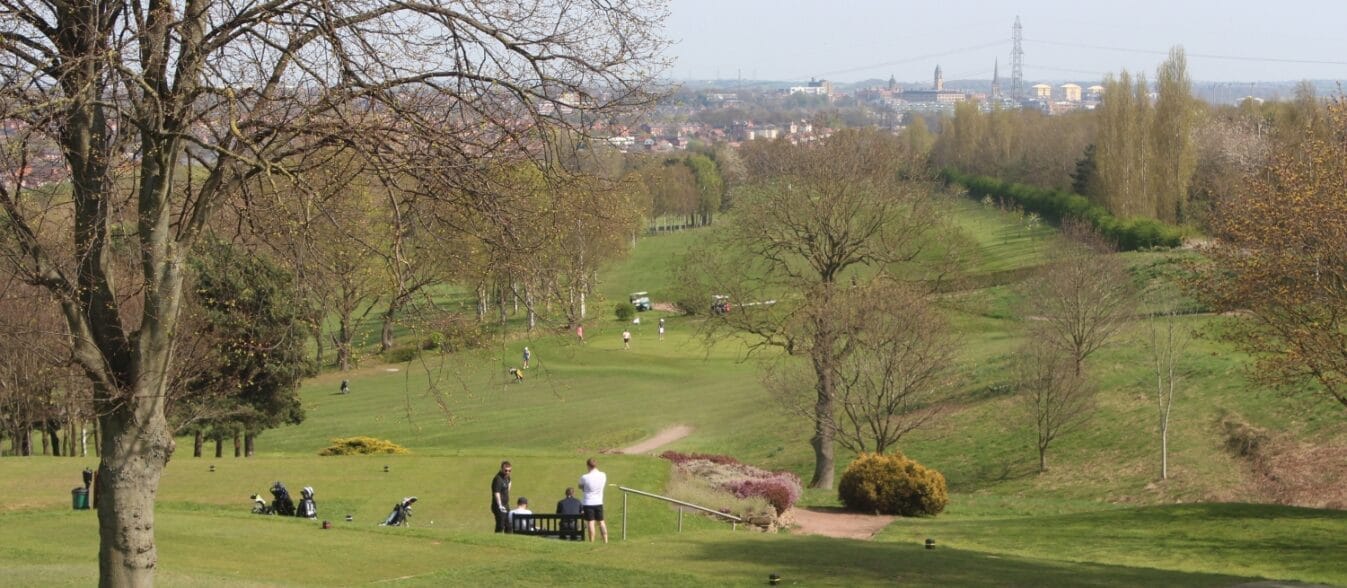
Having had a long wait for a par five, the 13th is the longest hole on the course – with distant views of Wakefield’s landmark buildings. It’s easy to get out of position among the trees, though thankfully the rough is kept short. The entrance to the green is narrow and there are steep runoffs to the left and rear of the putting surface.
14 – 391 yards, par 4
A longer par four played back towards the far end of the course, finding the fairway is important at the 14th if you’re going to be able to reach the green in regulation.
15 – 361 yards, par 4
Heading back parallel to the last two holes, and probably into the wind, the 15th is framed by trees – but there is plenty of fairway to hit. Try to stay left for the best line into this long, narrow green which falls away on all sides.
16 – 407 yards, par 4
A tough, long par four which is tree-lined all the way follows. One of the smaller greens on the course is protected by a hidden ditch short and right, plus swales and runoffs.
17 – 459 yards, par 5
Finding the right line from the elevated tee at the 17th is vital as you go over a pond, stream and trees to find a right-to-left sloping fairway which also turns to the right. A relatively short par five, the bunkers must be avoided on your approach if you’re going to make a birdie.
18 – 512 yards, par 5
The par five finisher is long and uphill, but everything is in front of you and the tee shot invites you to open your shoulders. A ditch and bunkers lurk nearby as you play towards a tiered MacKenzie masterpiece guarded by more sand.

