

How to handle a bad shot like a pro with mental performance coach Chris Kirkland
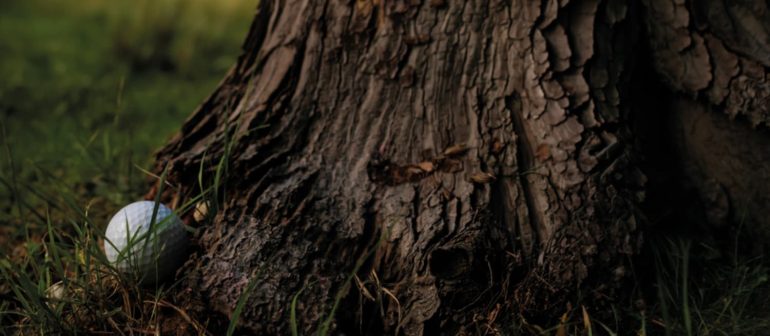
Imagine you’re cruising through a round, hitting solid shots, rolling putts in with confidence, and then – bang – that one shot shows up. The duck hook, the thinned wedge, the blocked drive… Suddenly, momentum stalls and your scorecard takes a hit.
Every golfer from tour pro to weekend player has that one shot. What separates strong players from the rest is not avoiding it altogether but how they understand it, prepare for it, and respond to it.
The process begins with understanding where your bad shot comes from. Often, it comes down to a lack of clarity on what you want the ball to do. Rushed tempo under pressure can also be a cause, as can shifting your focus away from the target and to consequences.
An effective tool to manage these situations is to set a clear intention before every shot by asking questions about what is actually required before committing to a clear target, a shot shape, or even just a simple feel. The key is to find clarity and reduce doubt.
Golf is full of things you can’t control, but you can control your preparation, your setup, and your swing.
This starts with a consistent pre-shot routine that resets you every time. From there, pick a target and focus on where you want the ball to go. Once you’ve chosen the shot, commit fully to it. Make the instructions positive – “start it at that tree” – rather than saying don’t do something as your brain responds better to positive cues.
It’s also important to be ready for the unexpected as bad breaks happen on the golf course. The key is to anticipate challenges and stay adaptable – if you’ve rehearsed mentally something going wrong won’t rattle you as much.
The What If? tool is a powerful way to prepare, and rehearsing your answers in advance for what happens if you miss a short putt or find a plugged lie will help you stay calm when something happens.
Just as you stretch your body, you need to stretch your mind. The ability to reset, adapt and keep perspective are the marks of a resilient golfer. When nerves creep in, you need to be able to take a breath and get into your routine. You also need to become detached from outcomes and accept that – even with a good swing – things won’t always go your way.
When you learn to respond rather than reacting, you can make the next decision calmly rather than emotionally. Where an emotional response to that bad shot would be to view it as a disaster, with a clear focus on responding effectively you can see it as an opportunity to show how well you can recover.
Ultimately, your response to that bad shot defines the round, not the shot itself.

