



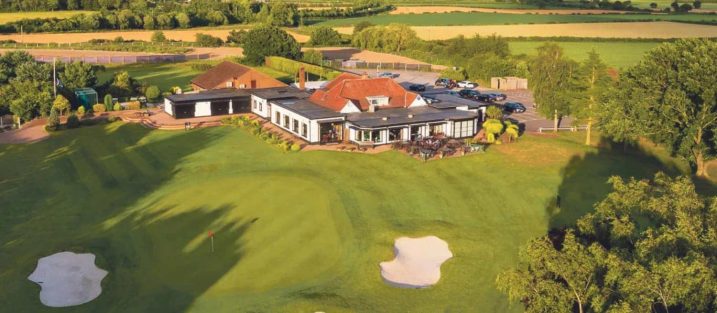
Explore England’s largest golfing county – from internationally renowned heath and moorland courses to modern challenges…

Ganton Golf Club
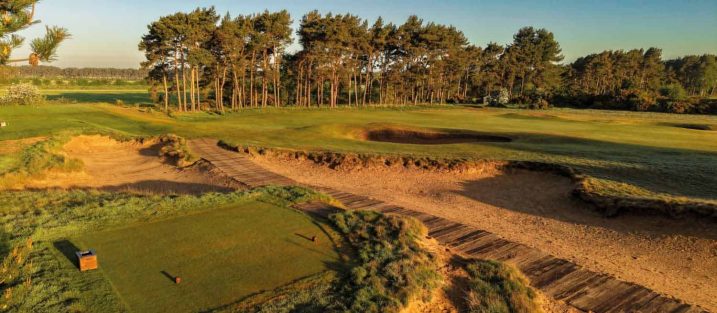
Ganton holds a special place in English golfing history. The landscape – with its gorse and the expanses of exposed sandy terrain – is spectacular. The design – from the vast greensites to the mix of bunkers with their unique splashes of white provided by seashells, and the putting surfaces honed for more than a century, continue to delight and challenge players in equal measure.
The 1949 Ryder Cup was hosted by Ganton – Ben Hogan captaining the US team and bringing with him five players who had won, or would go on to win, majors – including seven-time major winner Sam Snead. The Great Britain & Ireland team, featuring three major champions, won Friday’s foursomes 3-1 but succumb to the Americans in Saturday’s singles, ultimately losing the match 7-5. Championships and matches continue to be played here – from Walker and Curtis cups to British Amateur championships, with the three men’s amateurs here won by Gordon Clark, Peter McEvoy and Gary Wolstenholme.
While the club’s history is remarkable, the golf course at Ganton is equally impressive. Ranked highly by Top100golfcourses.com – seventh in England, 23rd in GB&I, and 72nd in the world – it is laid out on land reclaimed centuries ago from the North Sea. The profile is comprised almost completely of sand, and this provides fast and firm conditions while areas of the subsurface have been exposed to create visual and playing challenges.
Laid out by Tom Chisholm and defined by the later work of Dr Alister MacKenzie and Harry Colt, today the course can be stretched to 7,055 yards for tournaments – though the shorter options are more welcoming for most players.
An historical renovation over recent years – opening up and extending natural sandy areas and managing gorse as well as renovating bunkers and building new tee boxes – has further enhanced the course while significant investment has been made in greenkeeping, irrigation and equipment.
A limited number of tee times are open to non-members, while the Vardon Dormy House provides on-site accommodation for up to eight golfers.
Beverley & East Riding Golf Club
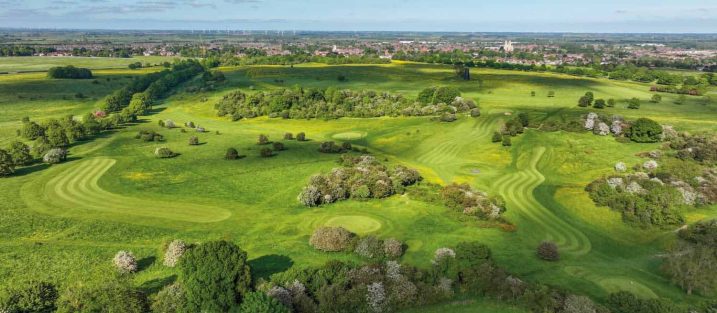
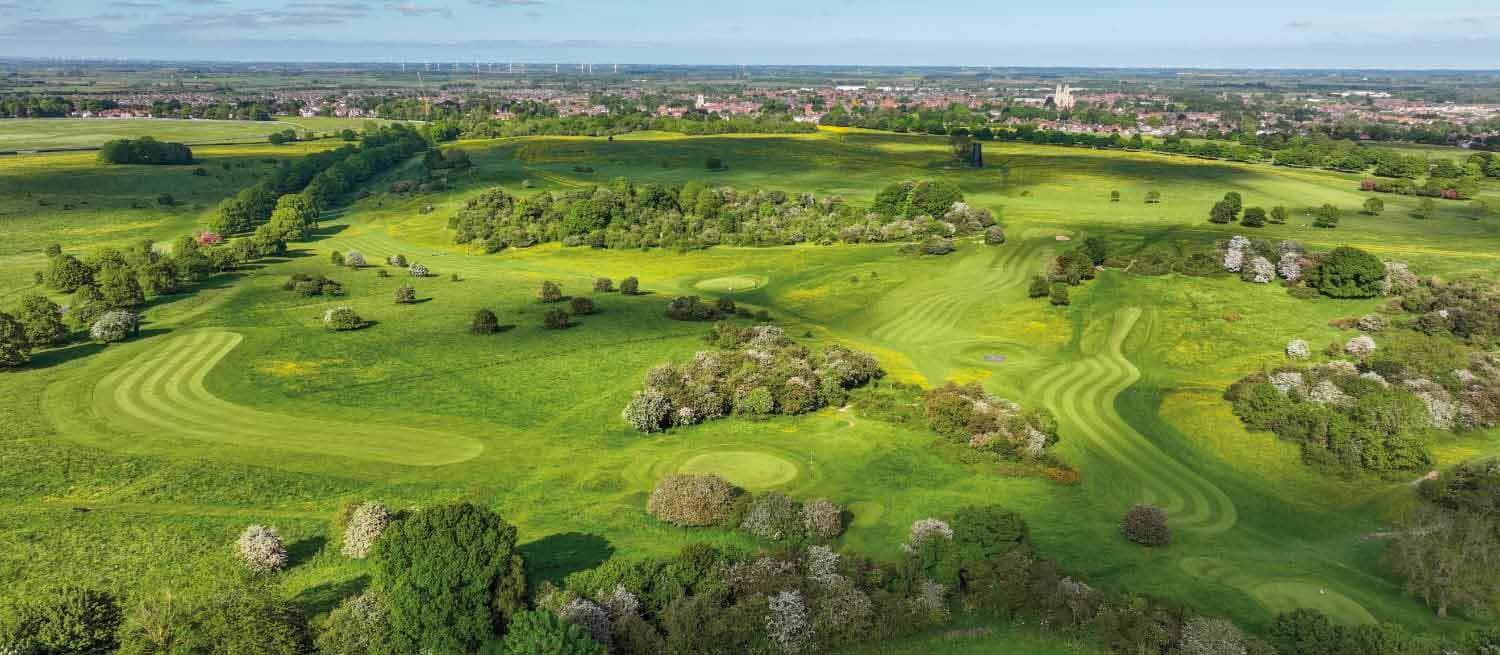
The oldest inland golf club in Yorkshire, Beverley & East Riding was formed in 1889 and its course lies west of town, occupying a parcel of land on the Westwood – an expanse of green shared with the famous racecourse, and the cows in the summer.
A fascinating layout with great character, the course is set out across rolling moorland. While it measures just 5,966 yards from the back tees, the thick rough, many changes in playing direction, and the wind whipping across the Westwood can make this a tough test even with modern equipment.
The rough is mostly managed by the cows for a great deal of the season, while the greens are ringed with wires to keep the cattle off – an intriguing quirk to add to this fascinating course. Being in the right position is the key to good scoring here – attacking the greens from the correct side is often more important than getting close to them with your tee shot.
Kirkbymoorside Golf Club
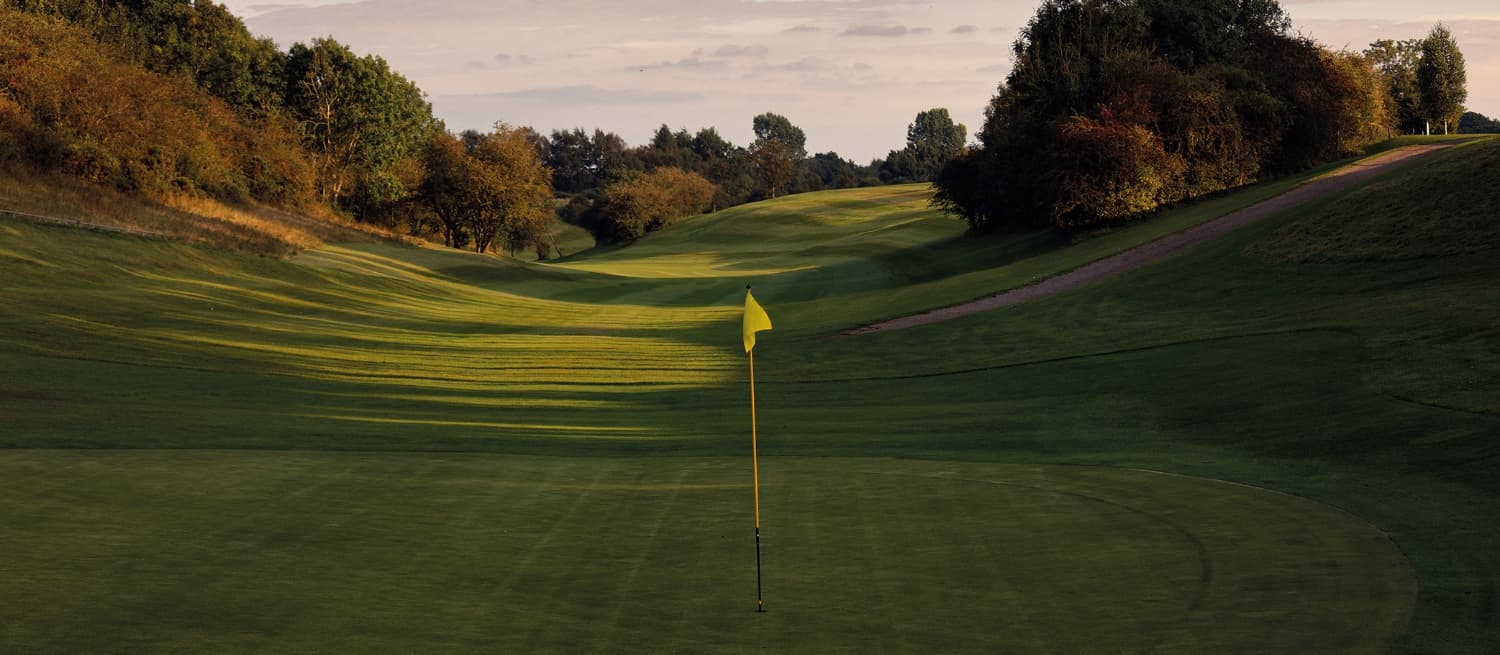
Set in beautiful and quiet rural surroundings on the edge of the North York Moors, Kirkbymoorside Golf Club is home to a unique and challenging golf course.
Ranked among the top 30 courses in Yorkshire, this fascinating layout – with a full length of 6,207 yards and a par of 69 off the white tees – is renowned for its fast, sloping greens.
The course is surrounded by spectacular scenery, and the view over the moors from the 13th tee is particularly special. There are also distant views of the Yorkshire Wolds and The Hambleton Hills – both of which are areas of outstanding natural beauty.
The modern clubhouse – opened in 1998 by Ryder Cup captain Bernard Gallacher – is very welcoming, with the friendly team serving drinks and homecooked food inside and out on the veranda, where you can watch players taking on the first and 18th holes when the sun shines.

Knaresborough Golf Club
The course at Knaresborough Golf Club – situated five minutes’ drive north of the market town, and just a few minutes off the A1 – is a delight to visit.
Lengthened and improved since it opened in 1920, much of the 6,778-yard course we see today was shaped by Hawtree & Sons – designers of Trump International Golf Links in Scotland – in the 1980s and early 2000s, and it has a modern feel while retaining the best elements of its original design.
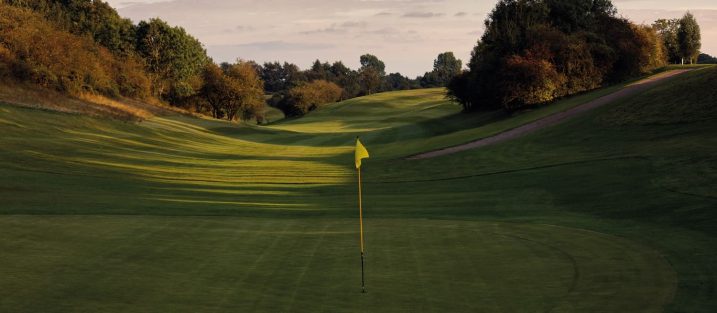
Laid out across hills and around mature woodland, the course encircles the clubhouse, rising and falling with the landscape and dropping dramatically in places to present unique challenges and some wonderful views.
The quality of the course continues to improve thanks to expert support from STRI, The Environment Partnership and John Deere as well as the recent implementation of woodland management plans that have enhanced the overall aesthetic, improved turf health and helped evolve the playing experience.
The course’s primary defence is its mature trees, and accuracy from the tee is rewarded with opportunities to play aggressively into the modern green complexes.
Whether you’re travelling from near or far, Knaresborough is incredibly welcoming to all golfers throughout the year.
www.knaresboroughgolfclub.co.uk

Pontefract & District Golf Club
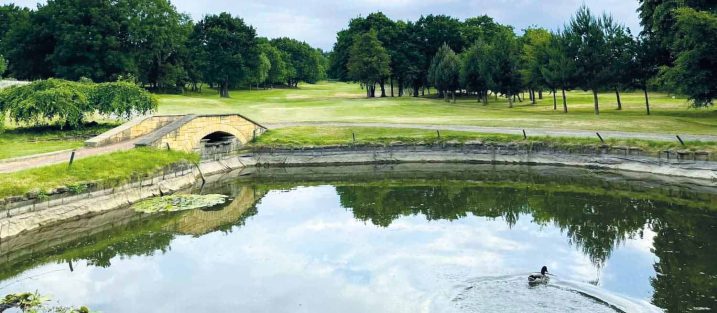
The mature, tree-lined layout at Pontefract & District – set beside the town’s famous racecourse – is a fantastic place to test your game when you’re in Yorkshire.
The club was established in 1904 – with founder members creating a nine-hole course on land belonging to the local park near the current location. In the early 1920s, a new course was laid out on adjoining land which was leased from the Duchy of Lancaster. A decade later, this course was extended to 18 holes based on a layout drawn by Dr Alister MacKenzie.
The layout has continued to evolve – with new land acquired as part of this work – and today it measures 6,520 yards with a par of 72.
Having tested your game, the clubhouse and patio overlooking the 18th green are welcoming spots to relax after your round.
For visiting golfers, the club is handily positioned just off junction 32 of the M62 and only 10 minutes’ drive from the A1.

Richmond (Yorks) Golf Club
A fine example of parkland golf in North Yorkshire, today the 18 holes at Richmond Golf Club comprise eight from the original nine-hole layout and 10 which were added in 1972 by course designer Frank Pennink.
Extra length has been added over the years, and today the course measures a total of 6,083 yards from the back tees. While it is still not the longest by modern standards, the test here has always been about accuracy rather than length. The undulating, fast greens can also be difficult to read correctly and present an exacting challenge throughout the season.
The par three 18th, set in front of the clubhouse, is a perfect challenge to end to any golf day.
www.richmondyorksgolfclub.co.uk
Selby Golf Club
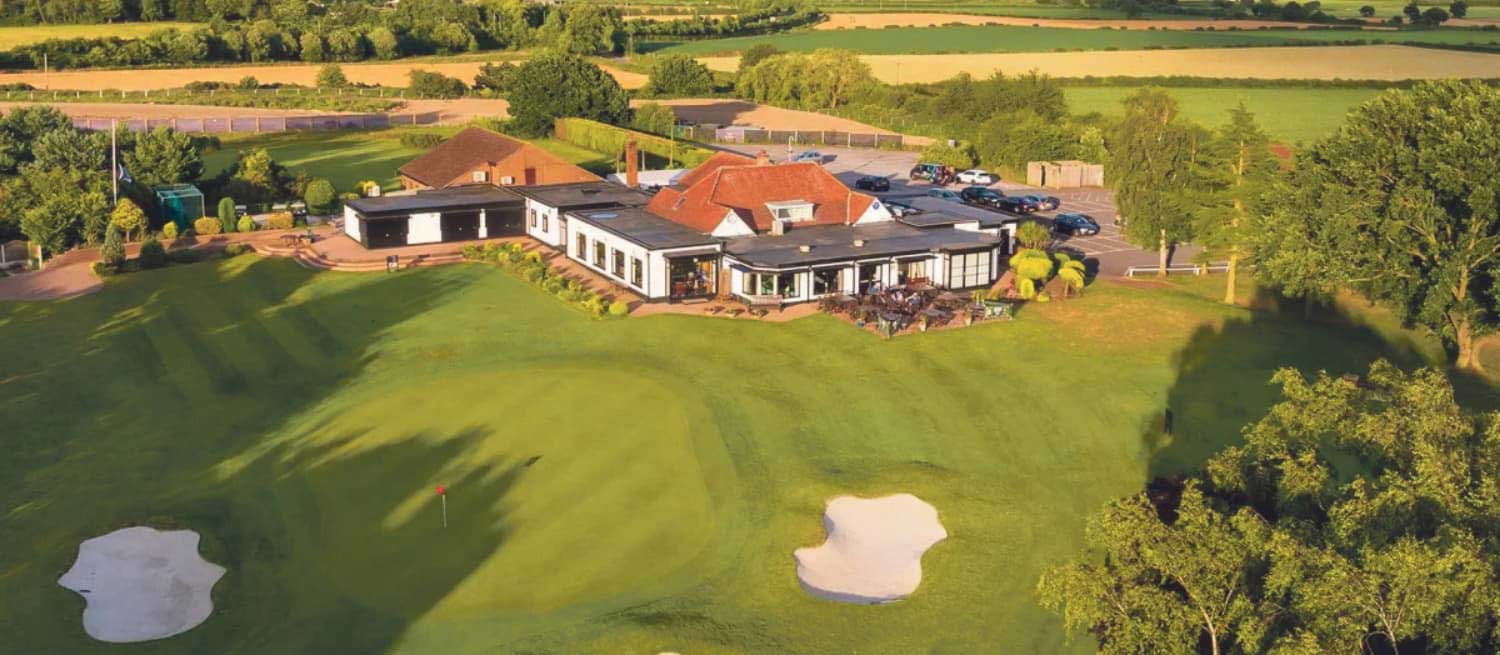
Home to a stunning golf course with a par of 71, Selby Golf Club was founded in 1907.
Laid out on free-draining sandy soil, the course is renowned for its year-round playability and firm conditions. Measuring 6,377 yards from the back tees, it is no pushover with three par fours stretching to more than 400 yards – including the challenging 16th, which is played downhill to a two-tiered green guarded by two front bunkers. The tricky, uphill par three 17th follows with a green guarded by multiple bunkers. The par five 18th can offer a birdie opportunity to end the round – if you avoid the many trees and greenside bunkers.
The course at Selby is laid out in two loops, both returning to the clubhouse, making it ideal for evening rounds in the summer or 27-hole golf days. Meanwhile the floodlit, covered driving range allows you to warm up or practice throughout the year. Catering is top-notch here too, and societies and visiting groups can expect a warm welcome.

