

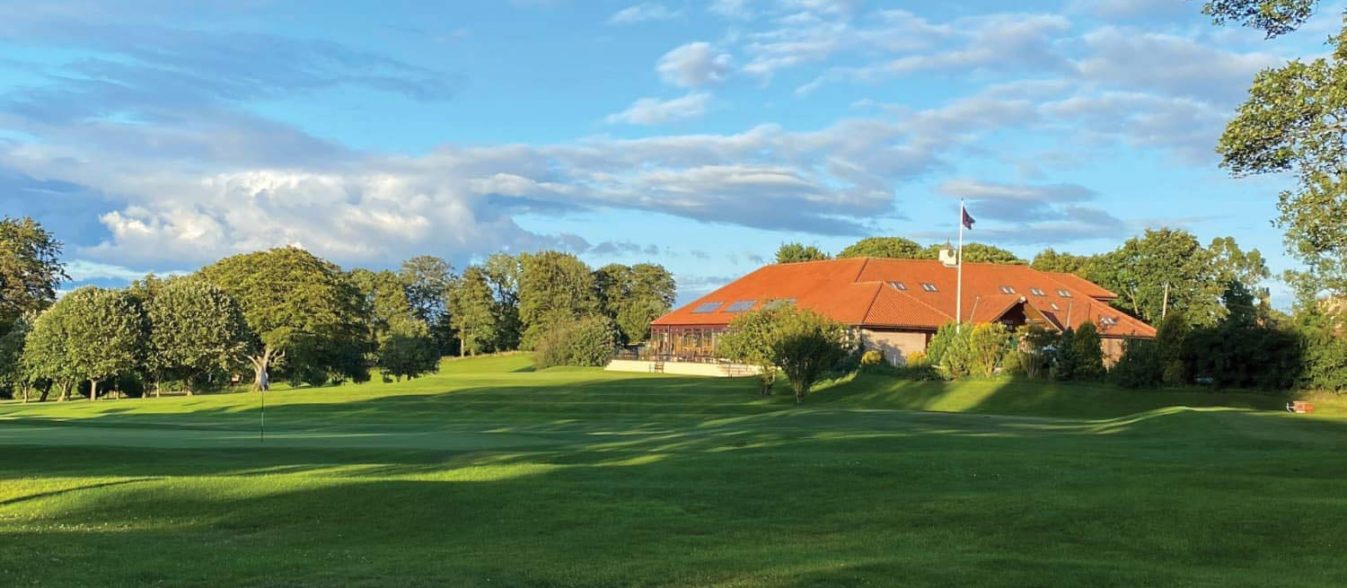

Join us for a round at Castle Eden Golf Club
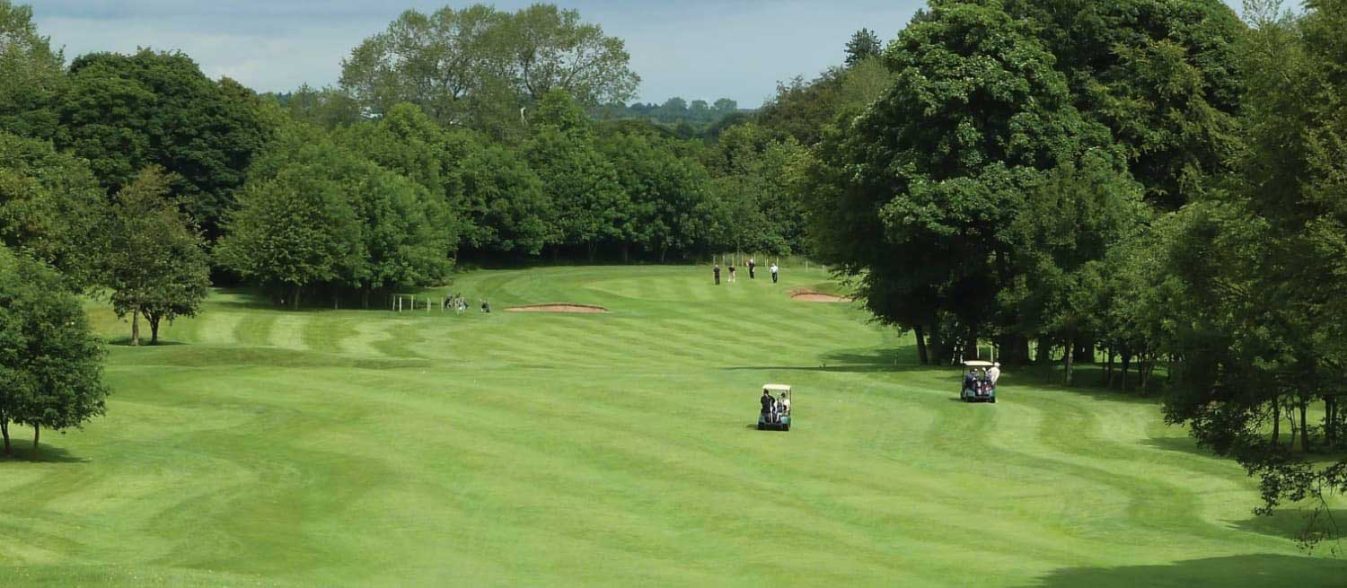
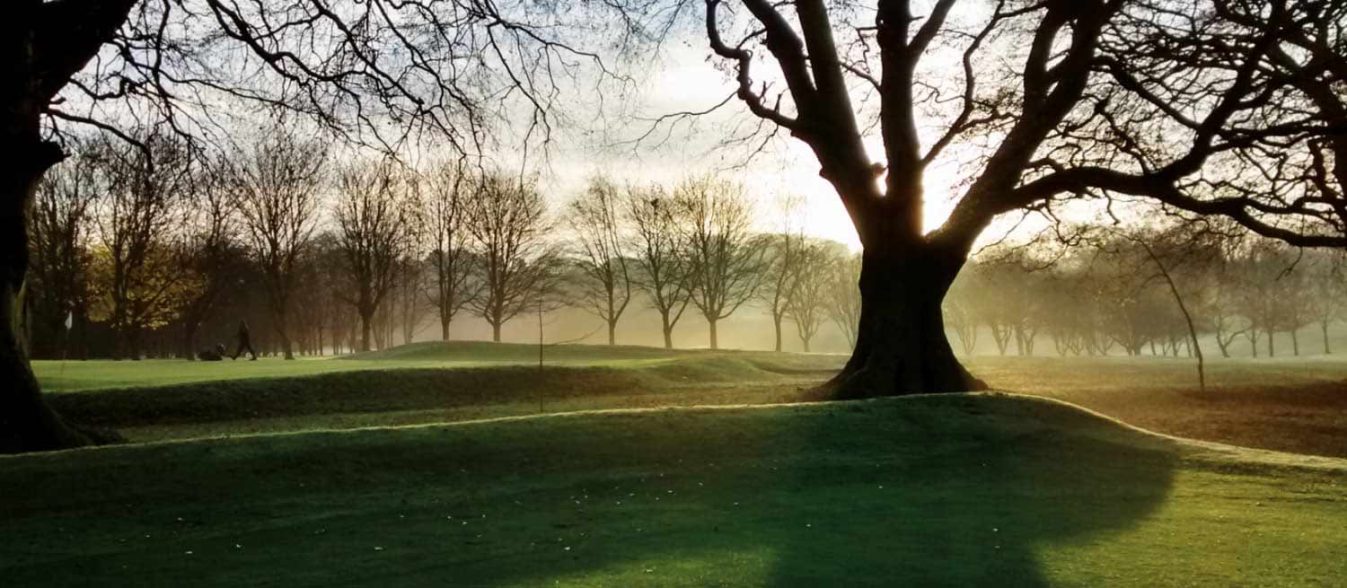
The North East of England is blessed with landscapes for golf, and the setting for Castle Eden Golf Club – in the south east of County Durham just a few minutes from the A19 – is one of the best.
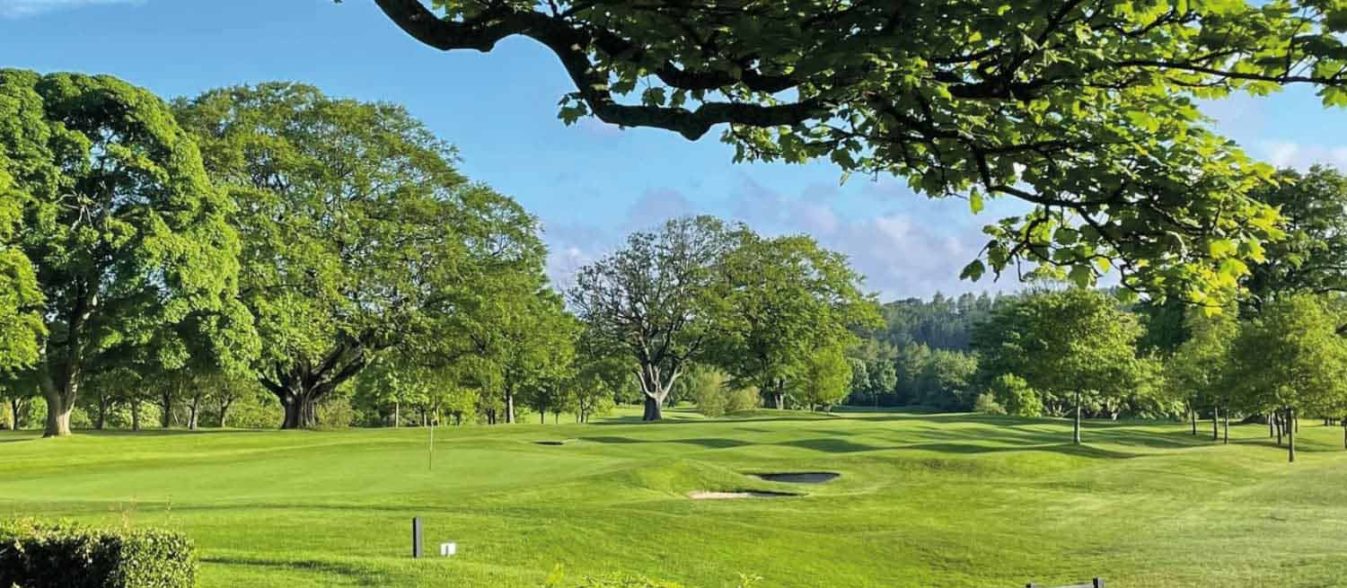
Ancient trees and the castle – an 18th Century mansion house built by the Burdon family – provide a stunning backdrop for this parkland layout designed by Sir Henry Cotton, who was responsible for its extension from six to nine and then 18 holes, following the original work of O L Rowntree.
Formed as The Dene Golf Club after the First World War, in 1922 the club’s name was changed to Castle Eden Golf Club. Its fairways have produced many fine players in the years since – while the course has continued to improve and benefit from investment, particularly on drainage and irrigation in recent years.
The key to good scoring on this 6,251-yard, par 70 layout is accuracy. Several holes require mid- and long-iron approaches to the greens – with good ball striking rewarded with birdie opportunities while errant shots will be punished by penal greenside bunkers and devilishly tricky long putts on very fast greens.
The opening three holes test your ability from the tee with a trio of par fours measuring more than 400 yards from the back tees.
The first is the longest of the set and features a generous fairway which narrows as it approaches the green. Stay well clear of the ravine on the right side and look to find the heart of a green guarded by a trio of bunkers and framed by trees beyond.
The tricky second hole is played uphill, and you will not be able to see the green as you play your approach. Favour the left side to avoid the cross bunker some 30 yards short of the putting surface and another deep bunker on the front right corner.
The fairway is generous at the third, and while the cross bunker on the right should not cause too many problems, the trio of bunkers which narrow the entrance to the green certainly will if you tangle with them.
A pair of shorter two-shotters – toughened in recent years with ditches added as part of the club’s drainage improvement programme – follow.
At the 359-yard fourth hole, driving accuracy is key as the fairway turns sharply right around trees, and the landing area is guarded by bunkers short right and long left. As the hole continues to turn, two more bunkers guard the front corners of a green which falls away at the front and sits at angle from the fairway.
Play accurately from the tee at the fifth to ensure you stay short of the ditch which cuts the fairway into two sections. A short, downhill approach to a well-defended green surrounded by trees must be accurate as missing it in any direction leaves a tough up and down.
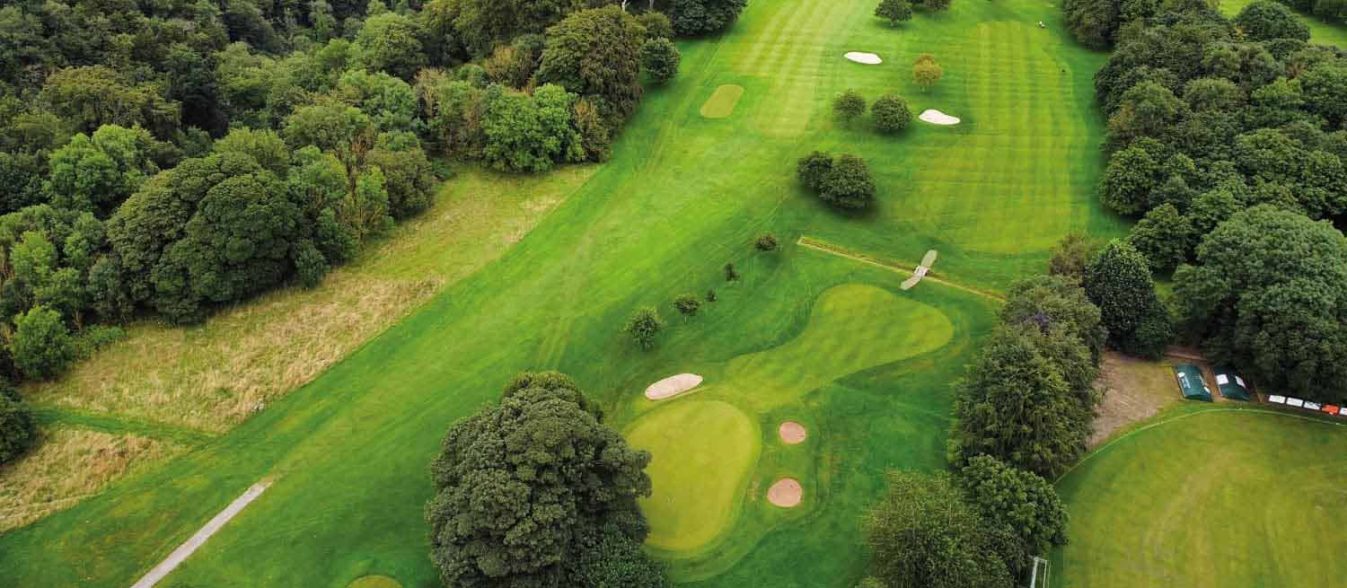
A stunning par three played over a ravine – which is crossed via the bridge – the 170-yard sixth hole is toughest when the pin is positioned in the back left corner, where the single front bunker and two rear bunkers come into play.
Regarded by many as the easiest hole on the course, the 282-yard par four seventh requires big hitting or very accurate iron play. Those who take aim at the green at the top of the hill should expect to face a bunker shot as the heavily contoured green complex feeds balls towards the four front bunkers.
Played dramatically downhill, the short par four eighth presents a good birdie chance. The fairway runs down to the right and a long drive sets up a short shot into a green with no bunkers but plenty of other defences. A severe drop beyond leads to thick rough and trees, while the fascinating putting surface is heavily contoured.
Played back up the hill, the 191-yard par three ninth can be tough to get right. Club selection is tricky here, and the very large green is defended by bunkers on its right and left sides, though the route from the tee to any pin position is unobstructed.
The back nine begins with the first par five. Measuring a little over 500 yards, the 10th can yield a birdie opportunity when played sensibly. The generous fairway sits between tall trees and turns left before heading downhill after it passes the bunker on the right side. Having taken in the view of the castle beyond and positioned the ball short of the numerous bunkers which guard the route to the tiny, P-shaped putting surface wrapped around the only greenside bunker – a confident third shot is required to start this side with a birdie.
The sloping terrain at the 156-yard 11th can confuse players, but it is only half a club downhill from the tee. A fabulous green design – which is wider than it is deep – is guarded by sand. Two bunkers are in view from the tee, while a third on the back edge waits to catch out those who take a little too much club.
Trees are the main obstacle at the straightaway, uphill 12th. Set in the shadow of the castle, this 390-yard par four is played to a small green which features a solitary bunker below its front left corner.
The rollercoaster-like 13th is long and tough to get right. A drive down the right side will be rewarded with a slightly easier approach to a large green guarded by a cross bunker on the left side which stops any shots from bouncing in. A greenside trap on the right makes pins in this half of the green tougher to attack.
The tee shot at the par five 14th is played blind up the hill with out of bounds left. While the green is well defended from long range with bunkers strewn en route to the flag, short approaches can setup birdie putts on this generous green.
Long and tough, the 457-yard 15th requires a confident drive with ancient trees flanking the narrow fairway. The downhill approach will be a long one and staying straight is essential with sand, including a left bunker cut well below the surface and two traps on the right, waiting at the sides of this long green.
The shorter, dogleg-right 16th offers a little respite for those who are accurate from the tee. As the hole turns and crosses the ditch which divides it, it rises to a greensite which is framed by trees and has three front bunkers set below a vast putting surface.
The signature par three 17th measures 172 yards from the back tee but plays much shorter as it drops dramatically from tee to green. Set beyond a narrow ditch, with another slither of water in the back left corner, the green sits perfectly between the trees with its four front bunkers adding to the visual impact and the challenge of this brilliant par three.
Just 290 yards, the par four 18th presents plenty of risk and reward. Played steeply uphill, the fairway narrows dramatically between the trees and a pair of fairway bunkers on the right side. The final green sits on a plateau beside the clubhouse with bunkers set below the putting surface on its front corners.
OUR VERDICT
A tough course which rewards accuracy from the tee and examines every facet of your game, Castle Eden offers a delightful test of golf

