

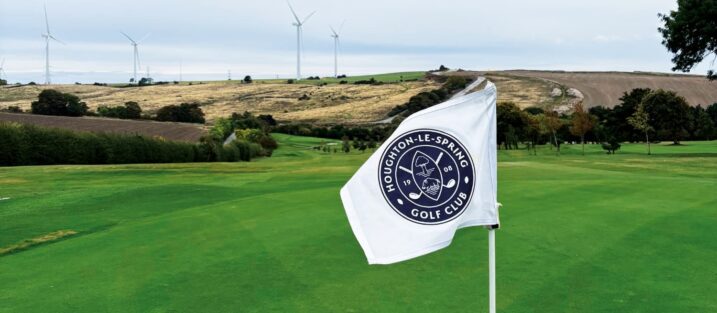
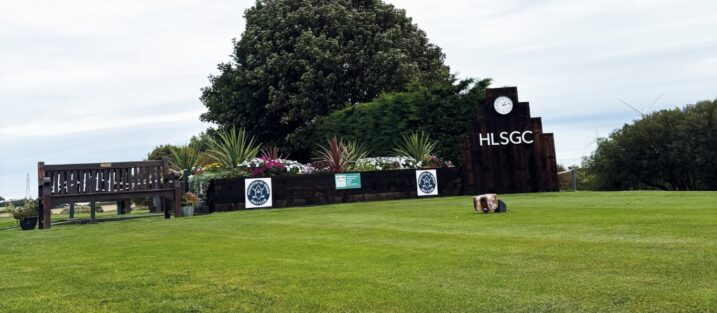

We visit Houghton-le-Spring Golf Club
Creating golf courses you want to play time and time again is difficult – it takes a fantastic piece of ground, a commitment to high-quality presentation, sustained investment and, ultimately, a little bit of luck.
The golf course at Houghton-le-Spring Golf Club, which was founded in 1908 and continues to hold a special place in the golfing landscape of the North East of England, is one we could play over and over again.
The course – which measures 6,381 yards from the back tees with a par of 72 – has been located at Copt Hill since 1912. The layout changed a couple of times around the First World War, including to incorporate land around Rough Dene Burn, and today it presents a test of golfing skill and stamina.
The course is defined by the land it sits on, and it presents many spectacular challenges throughout the round – from dramatically downhill par threes to par fives which could double as rollercoaster tracks with their various slopes and cambered turns.
The 360-yard first hole requires a confident tee shot. Played blind over the crest of a hill with out of bounds right, a solid drive into the very generous fairway sets up a great look at a large green set below you. There are no bunkers, but the steep drop on the right side of the putting surface – which slopes from back right to front left – must be avoided.
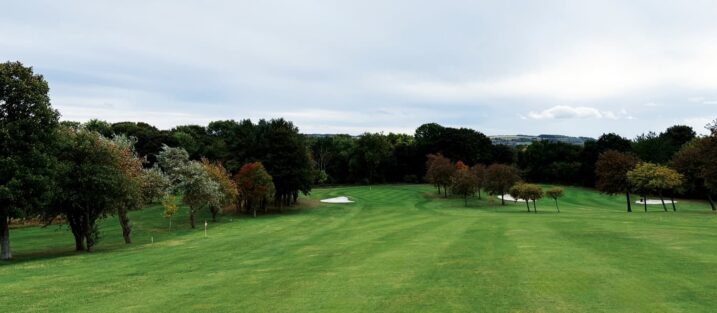
The shorter second hole, which is just 289 yards from the back tee, also presents a good scoring opportunity. The uphill tee shot should favour the left side as the boundary looms right. The green is generous, heavily contoured and well-defended by two bunkers – the first examples of the recently renovated traps featuring China clay sand – on its flanks.
The green at the third, a 149-yard par three played uphill, is also very generous. Set beyond two bunkers which are cut into the slope, the putting surface is subtly shaped with some room around it beyond the bunkers.
The fourth, the first 400-yard-plus par four on the front nine, is a far sterner test. The tee shot is played blind over the crest of the hill to a wide fairway, though the longest hitters must note there is a ditch some 80 yards short of the green which can be reached in firm conditions. The slope left will feed balls towards the putting surface, while the right side falls away to a tricky spot to make an up and down from.
The 388-yard fifth is equally challenging. The fairway narrows as you approach the green, with a single row of trees on the right side and a denser copse on the left. Another well-defended green sits slightly above the fairway with bunkers left and right narrowing the first half of the putting surface.
The 314-yard sixth invites you to hit driver into a wide fairway before playing a short shot into a fantastic greensite. This features a pond and single trap short left along with a set of four bunkers surrounding the right side of the green, which slopes from back to front and is framed by the trees beyond.
The toughest hole on the front nine, the 430-yard par four seventh is a proper test. The fairway weaves through the trees and players should favour the right side for the best angle into the green – which has a single, large bunker left and is designed to accept well-struck mid- and long-iron shots.
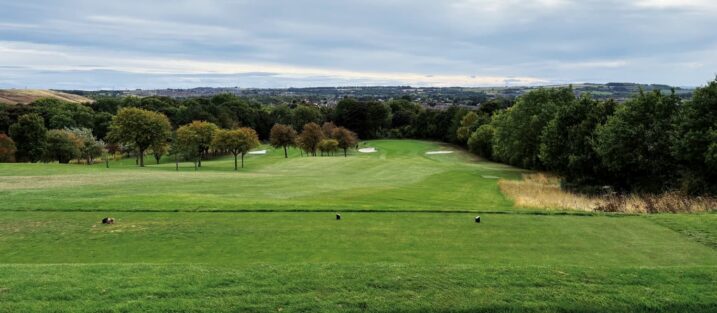
While it measures 218 yards from the back tee, the par three eighth hole tests confidence and ball striking more than power. Played steeply downhill, the descent and wind dictate the club selection here, with players tasked with judging both accurately to find the green. A bunker short right and a second trap on the front left corner guard a generous green which slopes from its left side towards the centre and is set beautifully in front of the trees.
The first of the par fives presents a test of accuracy. Just 485 yards from the back tee, club selection is key from the tee as the hole curves from left to right with three bunkers set above the landing area on the left side, a penalty area right, and a ditch crossing the fairway at around 270 yards. Having found the fairway, those laying up must steer clear of the single bunker on the left side, while a great shot is required to find the large green in two as a narrow ditch lies some 10 yards short of the putting surface and a bunker guards the front left corner.
Scoring opportunities keep coming with another sub-500-yard par five to start the back nine. This one sweeps from left to right among the trees too, and players need to take note of the severely sloping fairway and favour the left side and a right to left shot shape to hold the short grass and avoid the penalty area on the right. The green is very tough to find, with a ditch at the foot of a steep slope at the front and three bunkers guarding it. The wide putting surface is one of the most heavily contoured on the course.
Played steeply uphill, a long tee shot can setup a birdie chance at the 271-yard 11th. Turning sharply from right to left as it rises up the hill, the hole continues to rise from the ideal landing area to a plateau green which has a false front and bunkers front left and on its right side.
A longer par four which sweeps up the hill, the 12th looks fantastic from the tee with its sloping fairway. Turning from right to left, with a large swale short of the green, the putting surface here is long and guarded by a single bunker and run-off area left, and trees close to the right side.
Measuring 563 yards, the par five 13th is tricky to get right. The tee shot is played uphill to a fairway which slopes from right to left towards an internal out of bounds line. A confident shot, hit blind straight down the hill, is then required. Having navigated the slopes, the green – which falls from back left to front right – is in full view for a downhill approach.
Having played down the hill, the 14th heads straight back up it. The fairway slopes severely from left to right and a confident tee shot is required as anything favouring the right side will bounce further right. The green is set perfectly for the shape of the hole – it’s well-guarded on its right side with a large bunker while it is more accessible from the middle of the fairway and left side.
The short 15th offers a little respite. Just 149 yards from the back tee, it is framed by trees and the small, heavily contoured greensite features two bunkers right and a single trap left.
The final stretch begins with the straightaway 382-yard 16th. A confident tee shot will setup a look at a long green set among trees with subtle mounding creating a bowl for the green to sit in while a single bunker guards the front left corner.
The slightly shorter 17th will test your stamina late in the round. Played uphill with out of bounds right and trees left, finding the fairway is essential. You then need to judge the slope and select the correct club for your second shot to find the green, which is narrowed by two deep bunkers at the front.
The par four 18th completes the testing closing stretch. Measuring 429 yards from the back tee, a drive favouring the right side while avoiding the boundary right is key to leave the best angle into a small green set in a bowl beside the clubhouse patio. There is a large bunker front left to challenge those who bailed out left from the tee, steep slopes creating a popular catchment area short, and a small and shallow bunker back right to complete the challenge of the final hole.
OUR VERDICT
A fascinating golf course which is beautifully presented and will test your ball striking, strategy and stamina – we highly recommend a visit to Houghton-le-Spring Golf Club.

